When your bluff is exposed: recognizing the moment and why it matters
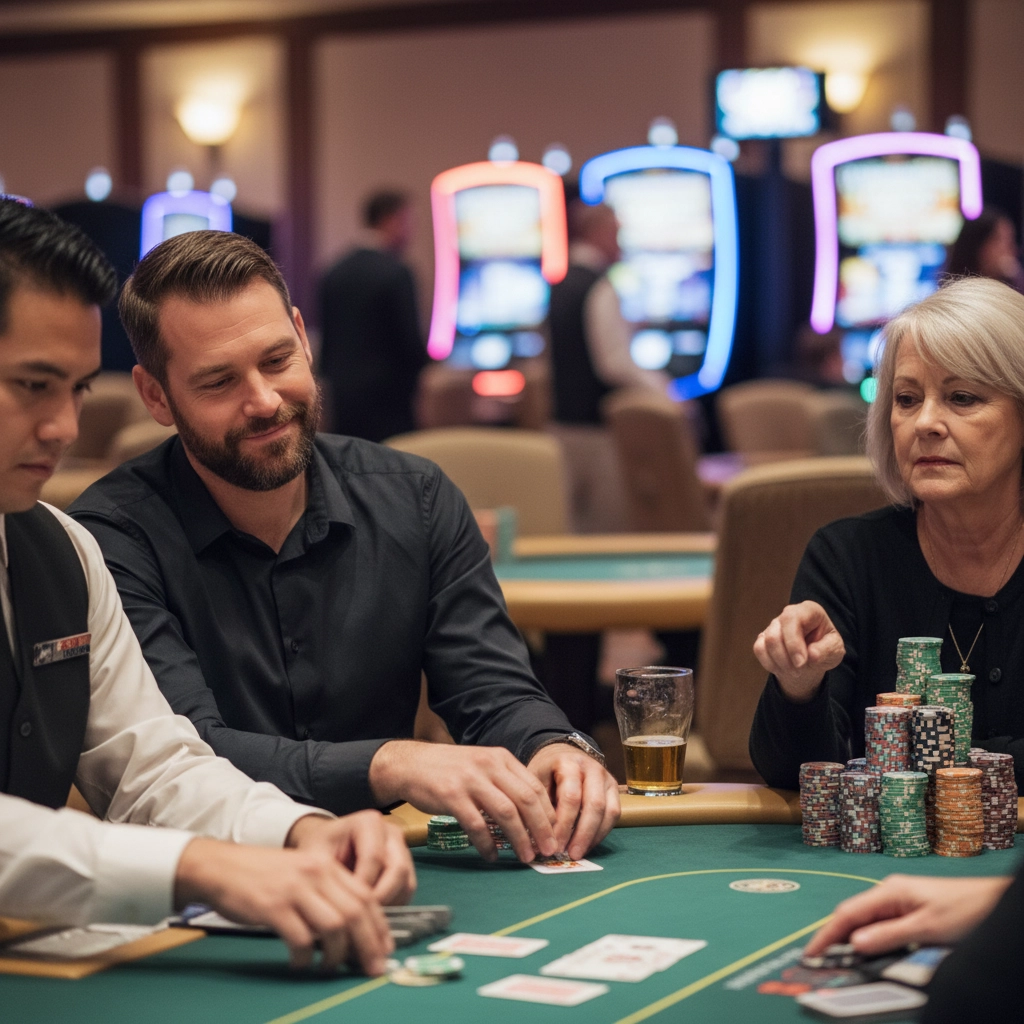
You pushed a hand hard, the river completed a scary card, and your opponent called — now your bluff is public. That moment is about more than a single lost pot; it signals something to the table about how you play. If you react poorly, you can amplify losses, telegraph future plays, and give opponents ammunition for exploitation. Recovering quickly and intelligently helps limit immediate damage and preserves the flexibility you need for future hands.
Start by assessing the situation calmly. Ask yourself: how large was the pot relative to your stack? Who called you — a tight player, a loose one, or someone who rarely risks big? What board texture and betting line made the call convincing? Your answers determine whether you should fight to regain respect quickly or step back and rebuild more slowly.
Immediate actions at the table: control, sizing, and hand-showing
The first 30 seconds after a failed bluff are critical. Your behavior and choices shape perceptions and influence subsequent decisions by opponents. Follow these practical steps:
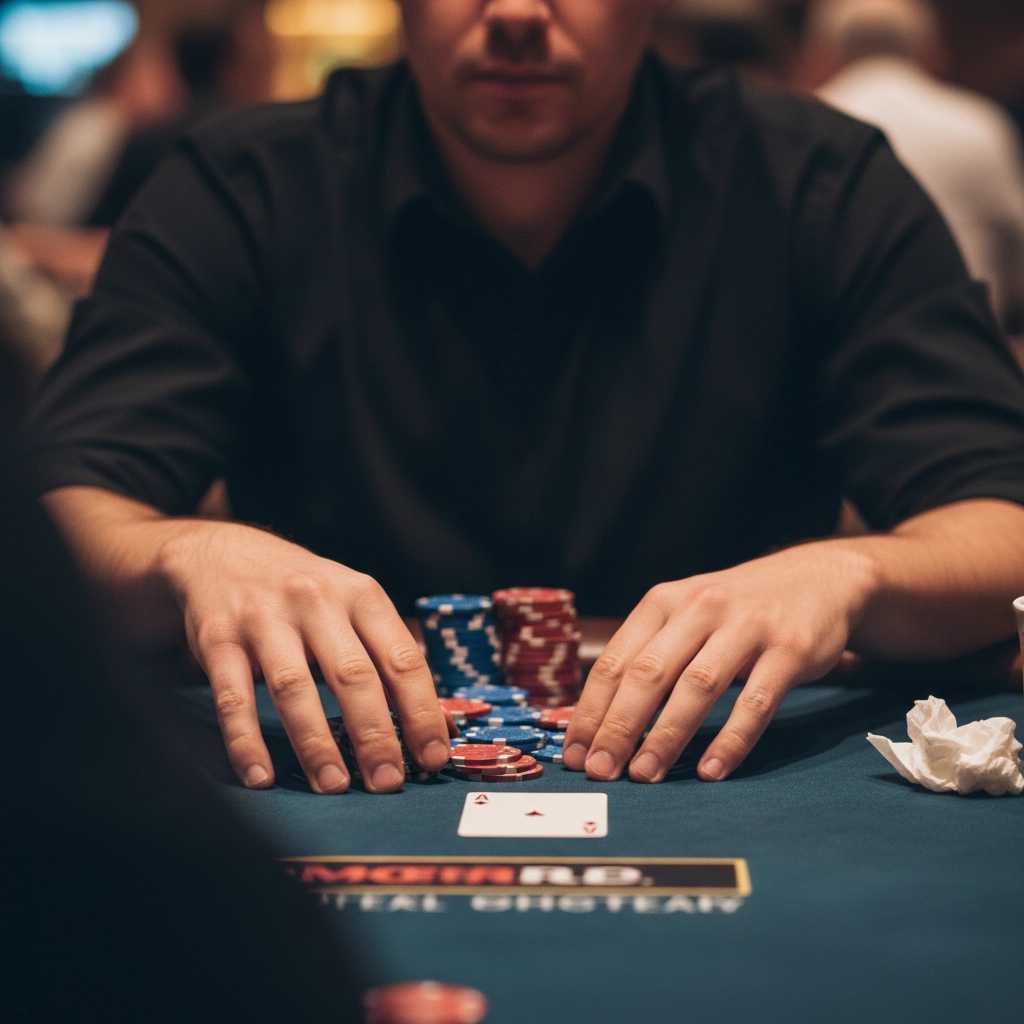
- Control your reaction: Keep your face, voice, and body language neutral. Emotional displays—exaggerated sighs, celebrations, or visible anger—give opponents extra information and may invite targeted aggression.
- Decide whether to show your cards: In most live games, avoid gratuitous showdowns. Showing the bluff can educate others and make you an easier target. Only reveal when it serves a strategic purpose (e.g., extracting value from an opponent who will fold later or making a tactical point to a recurring adversary).
- Consider stack and pot math: If the pot is small relative to effective stacks, you can often accept the loss and move on. If you committed a large portion of your stack, your range and options change — be prepared to tighten up or seek spots to recover without forcing marginal bluffs.
- Adjust bet sizing and frequency: Right after being called, avoid immediately trying to “prove” yourself with aggressive overbets. Give yourself a few orbits to reset your betting patterns; when you do act, vary sizes to avoid predictable compensation plays.
Protecting your table image: short-term repairs
Your image is not binary; it’s a dynamic perception shaped hand-by-hand. After a visible bluff, you can take specific steps to stop opponents from overcompensating against you:
- Tighten selectively: Play stronger hands for a few orbits to demonstrate discipline. Don’t go into full crab-mode—pick good spots where your natural ranges are believable.
- Mix your lines: Continue to incorporate small bluffs and value bets from time to time so your post-bluff range looks balanced. Over-correcting by never bluffing again makes you exploitable.
- Use speech and table talk sparingly: Casual comments that acknowledge the hand can humanize you but avoid apologetic or defensive explanations that confirm weakness.
With these immediate steps you stabilize the table environment and create room to plan your medium-term adjustments. In the next section, you’ll learn specific strategic tweaks to your ranges, position play, and long-term image management after a failed bluff.
Medium-term strategic adjustments: ranges, position, and aggression
Once the immediate dust settles, it’s time to translate the table read into concrete strategic tweaks for the next several orbits. Your goal is to restore a credible range and avoid predictable overcorrections — not to hide forever or to force risky compensatory bluffs.
– Calibrate your bluff frequency by position. In late position you can resume bluffing sooner because your lines are more believable; in early position, trim bluffs and favor hands with real equity. A practical approach: reduce non-equity bluffs by roughly 20–30% for the next few rounds from early spots, but only by 5–10% in the cutoff/button where positional leverage helps.
– Vary sizing intentionally. Use smaller c-bets on dry boards when you want to rep hands without committing many chips, and larger bets on wet boards when your range still contains strong hands. If opponents saw you overrepresent strength on the failed bluff, occasionally use the opposite sizing to create doubt — but don’t rely on this as your only counter.
– Adjust three-bet and continuation-bet ranges. If the caller who caught you is likely to widen after seeing the bluff, tighten your three-bet bluff frequency against them and increase your value-heavy three-bets. Conversely, if opponents fold too often after your post-bluff caution, reintroduce some 3-bet bluffs selectively to keep them honest.
– Protect against exploitable patterns. If you tend to check too often post-bluff, opponents might probe with bets on later streets. Mix in check-calls and occasional check-raises with hands that have showdown value to prevent free card exploitation.
– Look for low-variance recovery lines. Seek pots where you have positional advantage and decent equity (e.g., suited connectors in position) rather than forcing marginal bluffs to “prove” yourself. Small, consistent wins rebuild both stacks and image more reliably than sporadic, high-variance hero calls.
These adjustments should be fluid: monitor how opponents respond and transition back to your baseline ranges when the table’s perception normalizes.
Rebuilding long-term image and mental resilience
A failed bluff can linger in players’ minds beyond the current session unless you intentionally shape the narrative. Rebuilding your image takes both on-table actions and off-table discipline.
– Use selective value-showing. If you believe a particular opponent will remember a shown hand, consider revealing a solid value hand later — not to gloat, but to demonstrate balance. Do this sparingly and only when it has a clear strategic payoff.
– Manage table flow and seating. If one opponent keeps targeting you post-bluff, consider changing seats or taking a short break. A simple seat change can reset dynamics and force opponents to reassess without heavy-handed adjustments.
– Maintain a recovery routine to prevent tilt. After an exposed bluff, take a minute to breathe, log the hand if you can, and avoid playing back immediately on emotion. If you’re online, step away for a short break; live, clear your chips and re-center before the next hand.
– Keep a longer-term ledger: review hands that became turning points. Note who adjusted exploitatively and who didn’t. Use that intel to customize future ranges — some players will forever over-fold, others will over-call, and your image-rebuild should exploit these tendencies.
– Don’t let a single episode dictate bankroll choices. If the failed bluff cost a large portion of your session stake, consider session-ending criteria instead of chasing recovery with reckless plays. Preserving capital preserves options for image work later.
Reputation is cumulative. Thoughtful, consistent play over multiple sessions erases a single missed bluff far faster than frantic attempts to prove yourself in the heat of a hand.
Practice drills and habits to reinforce damage control
Turning theory into habit requires deliberate practice. Incorporate short, repeatable drills into your routine so damage-control responses become automatic when a bluff is exposed.
-
Hand-review bursts: after each session, pick 2–3 hands where your bluff failed and write one sentence on what you learned and one action to take next time.
-
Behavior drills: practice maintaining a neutral demeanor for five minutes before play begins; use a mirror or record a short video to calibrate micro-reactions.
-
Session limits and stop-loss rules: set clear chip or time limits so you never feel forced to chase recovery in the heat of the moment.
-
Positional focus sessions: play a focused orbit from the button or cutoff to rebuild positional confidence with low-variance lines.
-
Opponent profiling notes: keep one-line notes on players who exploited your exposed bluff and adjust future ranges specifically against them.
Putting recovery into practice
Recovering from a failed bluff is less about dramatic reversals and more about steady, disciplined responses. Commit to a short routine after any exposed bluff, lean on small, low-variance plays to rebuild both stack and image, and treat the episode as information rather than a moral failing. If you want structured drills and advanced exercises for table-image repair, consider consulting dedicated strategy resources for focused modules and practice plans: Upswing Poker.
Frequently Asked Questions
Should I ever show my cards after a failed bluff?
Generally no—showing a failed bluff often educates the table and makes you easier to exploit. Only reveal cards when it has a clear strategic purpose, such as convincing a specific opponent you can have strong hands or extracting a future advantage.
How long should I tighten up after being called?
There’s no fixed number of orbits; a practical rule is to tighten selectively for a few rounds (2–6 orbits) while you re-establish a credible range, then gradually reintroduce balanced bluffs—faster in late position, more cautious in early spots.
What’s the best way to avoid tilt after an exposed bluff?
Use a short recovery routine: step away briefly if online, take three deep breaths, log the hand, and set a small, immediate objective (e.g., play the next three hands with a tight, value-oriented plan). Predetermined session stop-loss rules also prevent emotional chasing.