Why your table image is the foundation of successful bluffing
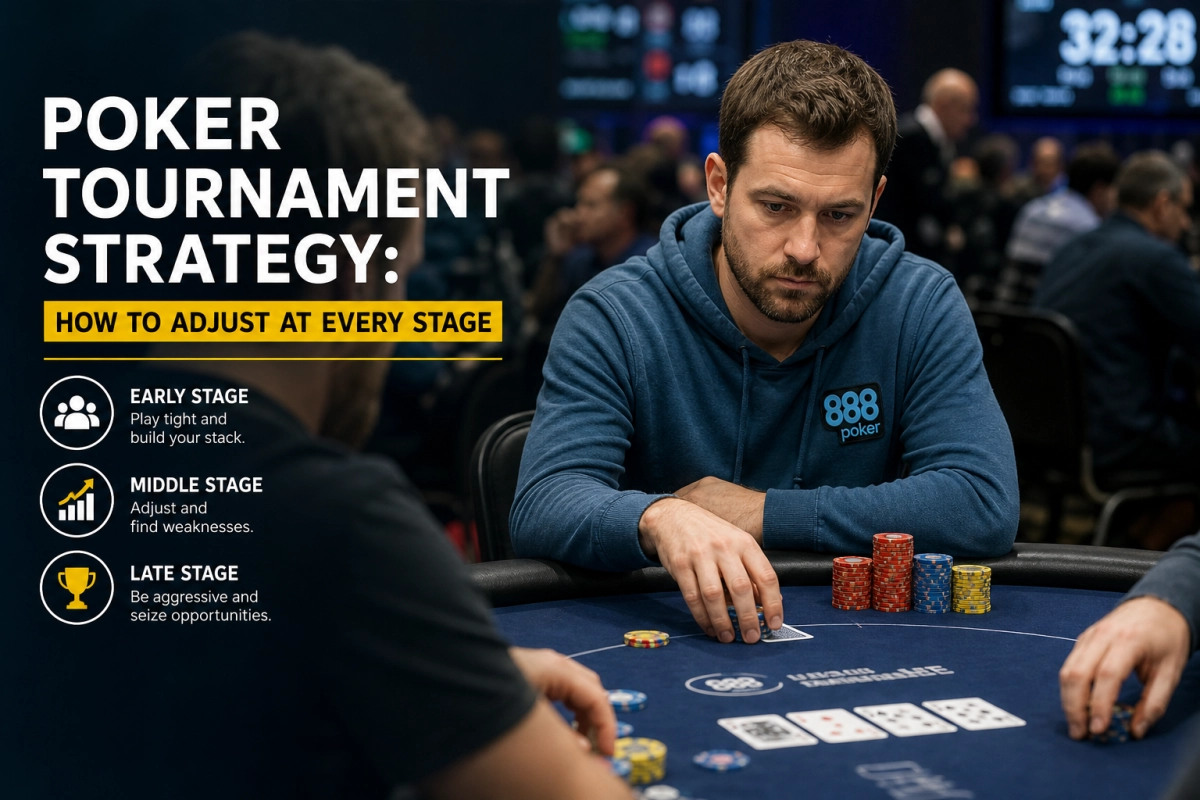
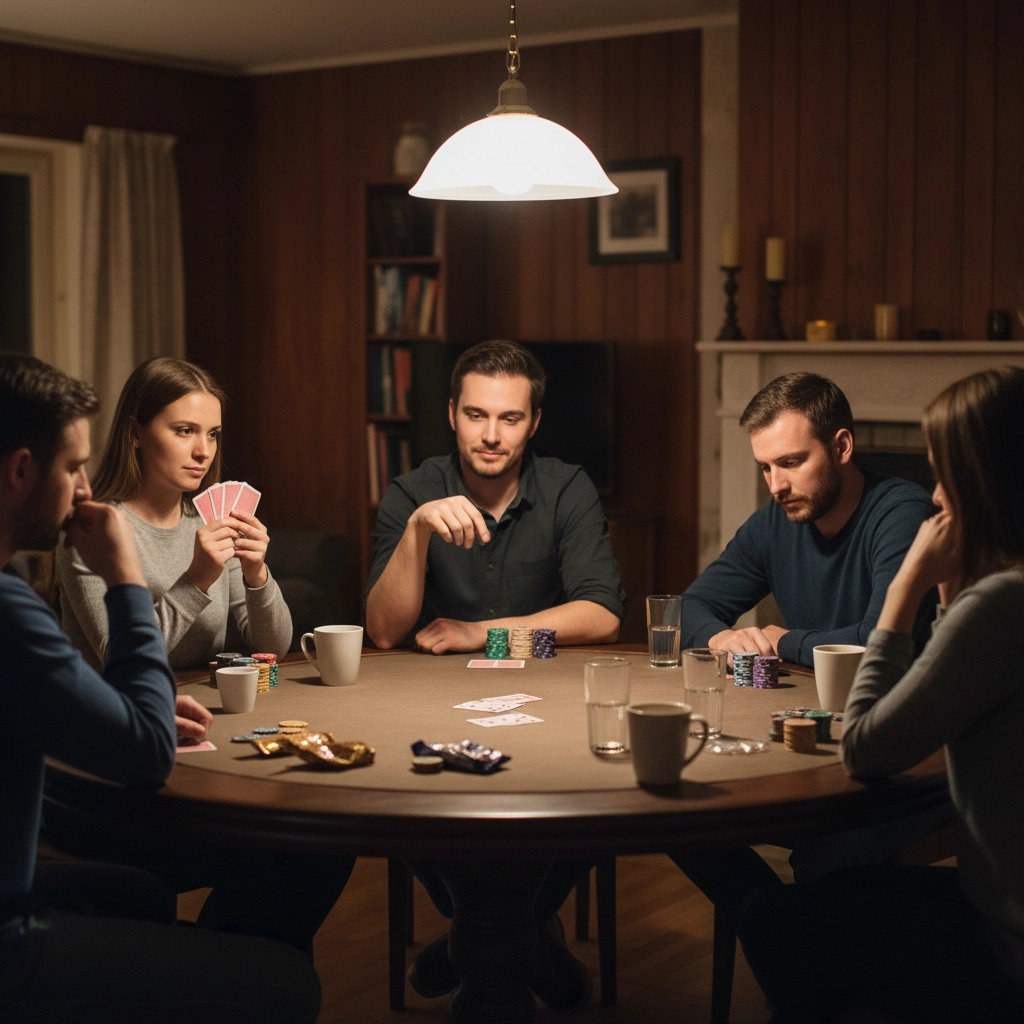
You can learn advanced bluffing moves, but without a reliable table image those efforts will often fail. Your table image is the impression other players form of you—tight or loose, passive or aggressive, predictable or unpredictable. When you control that impression, you control how opponents interpret your bets and folds, which directly affects whether a bluff will succeed.
As a beginner, focus on building a consistent, believable persona. Deviations from that persona will be noticed and exploited. Keep in mind that table image works both ways: you develop it through your own actions and through how you observe others reacting to you.
Set a clear, simple image you can maintain
- Pick one primary style: Choose whether you’ll primarily play tight-aggressive, tight-passive, or loose-aggressive, and stick to it for several orbits. Radical swings confuse you first and your opponents second.
- Be consistent with preflop play: Your opening hand range and position-based actions will largely define you. If you fold most marginal hands preflop, calling or raising with them later looks suspicious.
- Control physical and verbal tells: Keep your posture, timing, and table talk consistent. Sudden changes (long pauses, forced jokes) are easy signals that something different is happening.
Observe actively to refine and exploit table impressions
Building your image isn’t only about your own behavior; it’s also about how you read the impressions of others. Observe how opponents react to different bet sizes, showdowns, and positions. Use that information to calibrate which bluffs will carry weight.
Simple observation habits that pay off
- Track reactions to aggression: Notice who folds to raises and who calls light. Players who call often are poor bluff targets.
- Watch post-flop patterns: See which players give up when the board gets scary and which chase draws. A board that scares one opponent may not scare another.
- Remember recent showdowns: If you showed a hand recently, opponents will adjust. Showing strength can power future bluffs, but showing too often destroys credibility.
- Use table talk sparingly: Players who chat a lot often reveal less through actions; quiet players can be harder to read and thus safer to bluff if your image supports it.
Practical early bluffing decisions tied to your image
As a beginner, focus your bluffs on specific, high-leverage spots: late position against one tight opponent, continuation bets on coordinated boards when you’ve shown aggression preflop, or small river bluffs when the pot and story align. Always ask yourself whether your recent actions tell a believable story that connects to the bluff you’re trying to sell.
With these basics in place—consistent persona, attentive observation, and selective bluffing—you’ll be ready to refine size and timing choices; next we’ll examine how to size your bets and craft a coherent betting narrative that sells your bluffs effectively.
Sizing your bets to sell the story
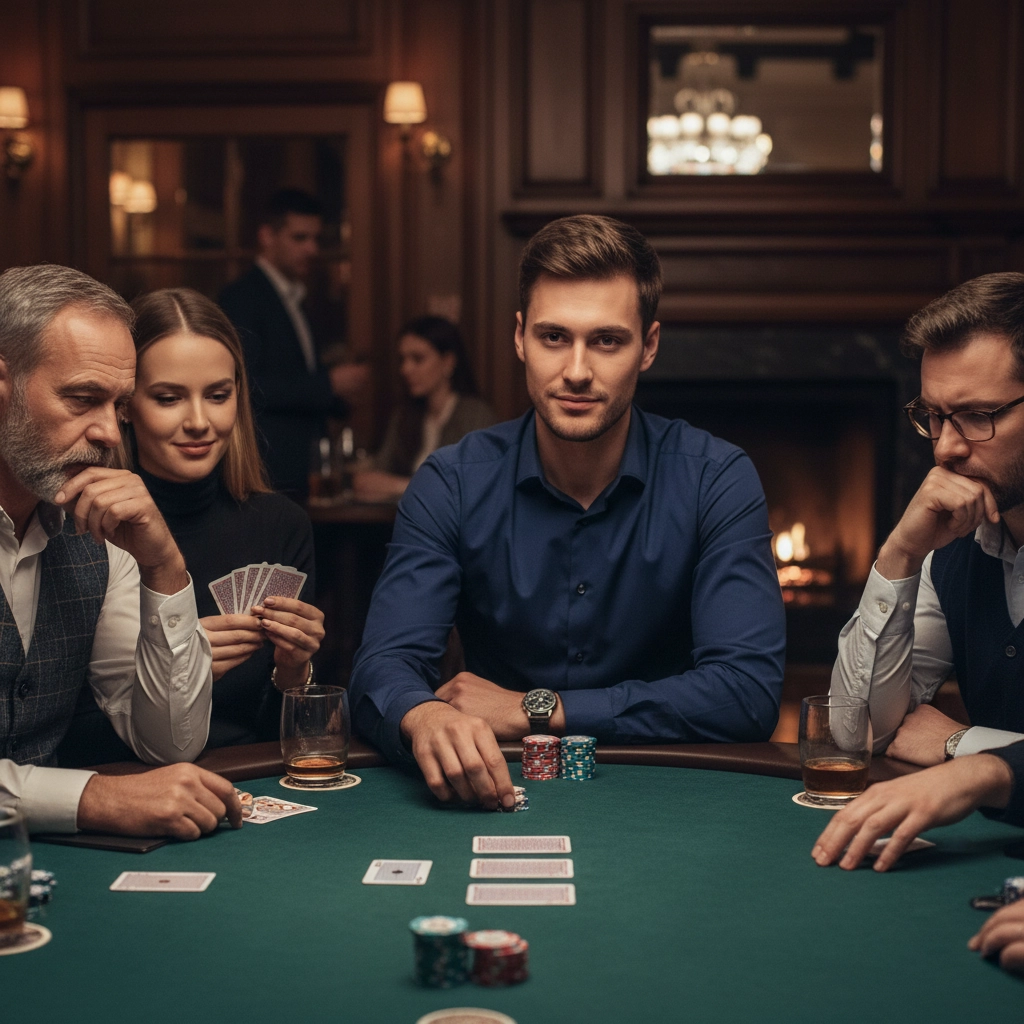
Bet sizing isn’t just math; it’s part of the narrative you’re telling. The size of each bet should reinforce the hand you want your opponents to believe you have. As a beginner, aim for simple, principled sizing rather than nuanced, variable amounts—consistency helps maintain your image.
- Keep a few standard sizes: Use a standard c-bet (often 1/3–1/2 pot), a larger protection or polarizing bet (2/3–full pot), and a small probing bet (1/4 pot). Repeating these sizes makes your lines believable and easier for you to manage.
- Match size to board texture: On dry boards (e.g., K-7-2 rainbow) a smaller c-bet looks natural and folds out medium-strength hands. On wet, coordinated boards (e.g., J-10-9 with two suits) larger bets are more believable as both value and protection against draws.
- Think about fold equity vs. risk: Small bets cost less and can fold out marginal holdings, but won’t pressure sticky callers. Large bets offer more fold equity but demand a stronger story and carry higher loss if called.
- Keep sizing consistent with earlier actions: Your preflop and flop sizing set expectations. If you open-raise big preflop and c-bet tiny on the flop, it can look like a weak continuation rather than a strong line. Coherent sizing reinforces your intended story.
- Concrete example: If the pot is $100, a 1/3 pot bet is ~$33 (good for dry boards and bluff probes); 2/3 pot is ~$66 (better on wet boards or when polarizing). Choose one of these and stick with it across similar spots.
Timing and cadence: use rhythm to reinforce credibility
How quickly or slowly you act is as much a signal as your bet size. Beginners often give themselves away with inconsistent timing—long pauses when bluffing, or instant bets when value betting. Make your timing part of your table image.
- Establish a baseline tempo: Decide on a natural pace for routine decisions and keep it. Quick small bets, short thinks for obvious folds, longer timing for tough decisions. Consistency reduces unintentional tells.
- Use deliberate timing sparingly: Occasionally varying pace can sell a big bluff—e.g., a thoughtful pause before a large river bet—but don’t overuse it. Opponents track patterns; once you fake a tell often enough it loses power.
- Avoid obvious acting: Forced gestures, exaggerated pauses, or sudden chatter are easy to read as contrived. Subtlety is more effective: small, believable changes that match the hand you’re representing.
- Pay attention to others’ timing: If a player tanks before folding to big river bets, that pattern tells you when to push or back off. Use timing reads to choose targets for bluffs and to time size appropriately.
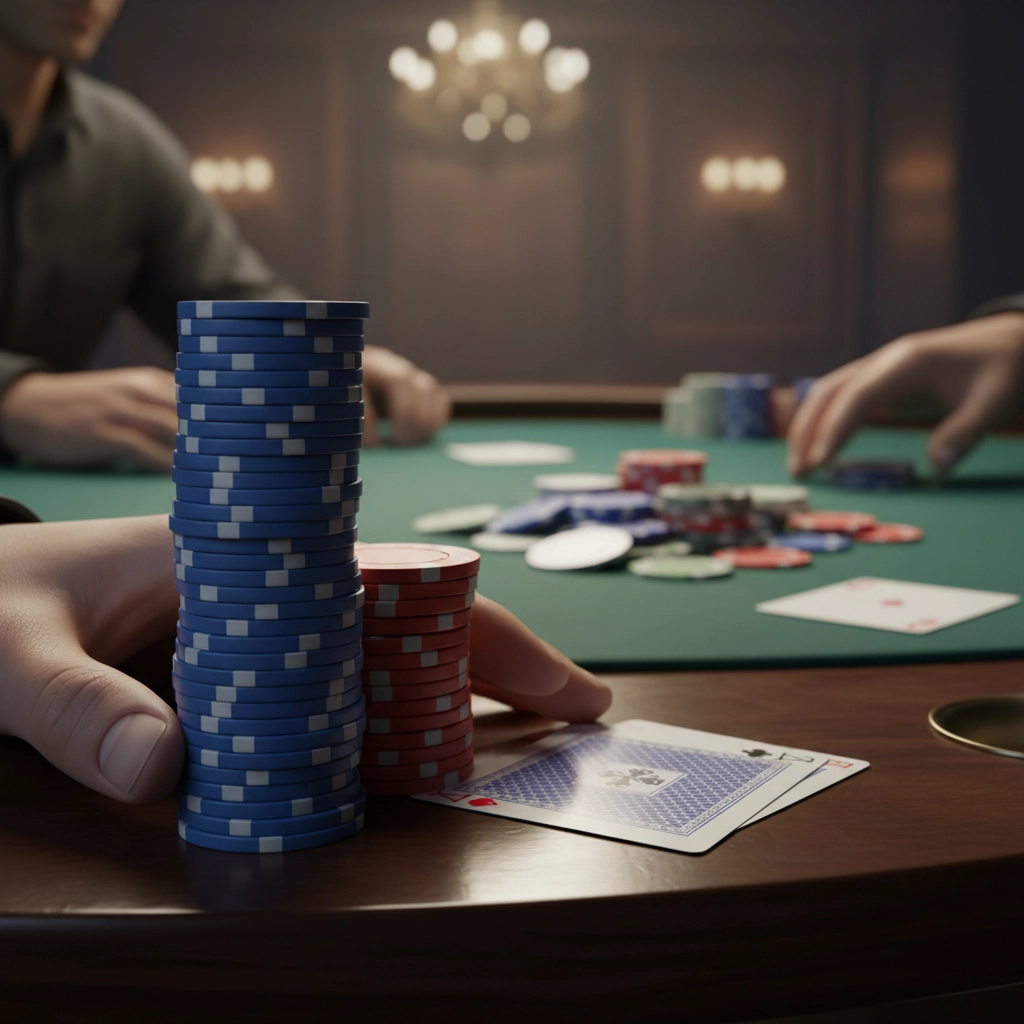
Adjusting to table dynamics and protecting your image
Table image is not static—stacks change, players come and go, and table mood shifts. Protect your long-term credibility by adapting without abandoning your core persona.
- Respect stack sizes: Short-handed tables and shallow stacks reduce bluffing viability. With shallow effective stacks, use fewer bluffs and focus more on fold-or-muck lines that make sense financially.
- Respond to opponent adjustments: If players start calling you light, tighten up and wait for better spots. If they respect your bets, you can probe more often—but do so selectively.
- Recover after a failed bluff: One or two failed bluffs shouldn’t define you. Tighten for a while, show some value hands when appropriate, and rebuild credibility before attempting large-scale deception again.
- Rotate your tactics slowly: Gradual shifts keep opponents guessing without making you seem erratic. Small, deliberate changes maintain flexibility while preserving your table image.
Putting it into practice
Start small, stay observant, and treat each session as an opportunity to refine the one or two bluffing elements you’re working on—timing, sizing, or image consistency. Play lower-stakes tables where mistakes cost less, keep a brief session log of notable bluffs and showdowns, and recover your image deliberately after any misses by tightening and showing value selectively. For additional drills and examples on bet sizing and lines, see Upswing Poker.
Frequently Asked Questions
How often should a beginner attempt bluffs?
Beginners should bluff sparingly—focus on a handful of high-quality spots per session rather than frequent attempts. Good frequency depends on table dynamics, but a useful rule is to limit bluffs to moments when position, recent table image, and board texture align to make the story believable.
Which opponents are the best targets for bluffs?
Ideal targets are players who fold frequently to pressure: tight, straightforward opponents and those who visibly respect aggression. Avoid bluffing frequent callers, loose players, or anyone showing a pattern of calling down with marginal holdings.
What should I do immediately after a failed bluff?
Don’t force revenge bluffs. Tighten up for a while, play straightforward value hands when possible, and rebuild credibility by showing selective strong hands at showdown. Use the failure as data—note what went wrong and adjust your timing, sizing, or selection next time.