How the house edge changes the way you should play blackjack
The house edge is the statistical advantage the casino has over you over time. In blackjack, that edge varies widely based on both your decisions and the specific table rules. When you understand how much each choice and rule shifts the edge, you can make deliberate plays that minimize losses and maximize the effectiveness of correct bets.
You don’t need to memorize every probability to improve quickly. Small changes — like using a correct basic strategy, choosing favorable tables, and avoiding common betting mistakes — compound over many hands. The goal isn’t to eliminate the house edge entirely (that’s rare without advanced advantage play); it’s to reduce it to the smallest, most manageable level so variance works in your favor less often.
Core strategy fundamentals that actually lower the house edge
Correct, consistent decision-making is the single biggest factor you control. Below are the fundamental strategy elements that will shrink the casino’s advantage when you apply them:
-
Follow a basic strategy chart
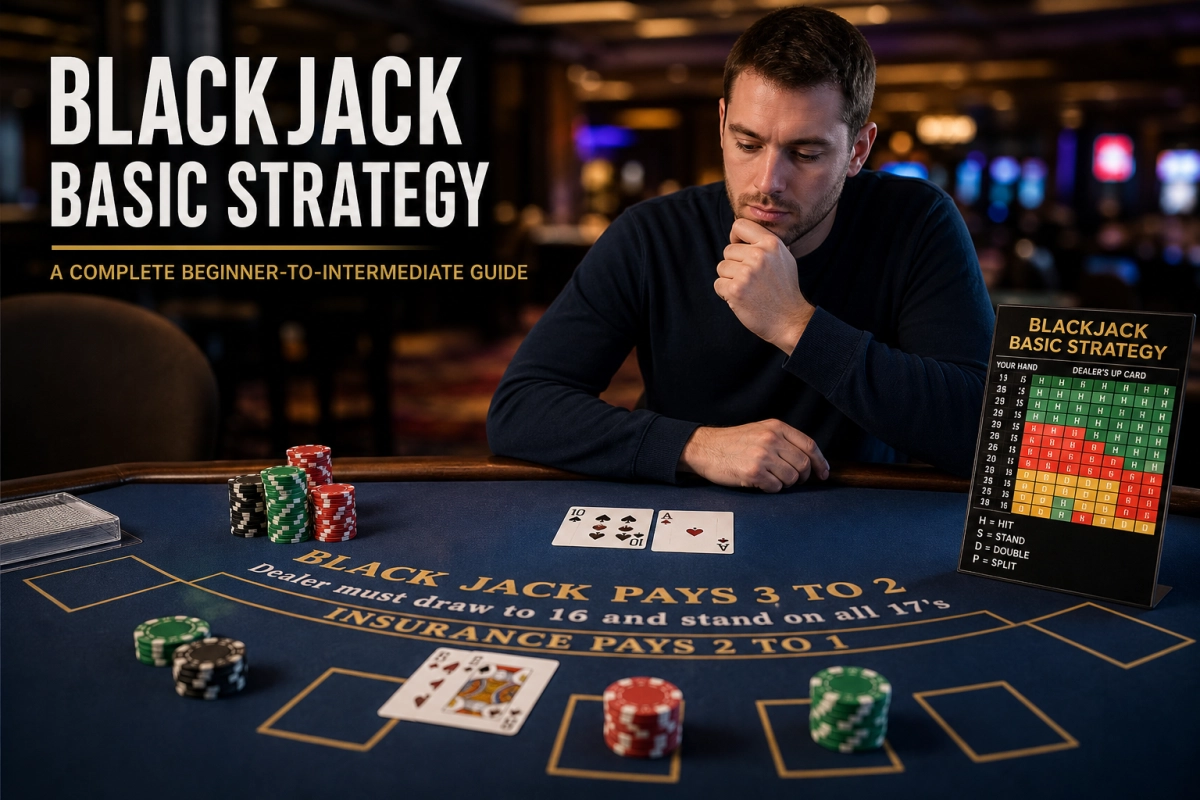
Basic strategy tells you the mathematically optimal play for every two-card player hand vs. dealer upcard, given a particular rule set. Using it consistently reduces the house edge from several percent to around 0.5%–1% in many common rule sets.
-
Know when to split and when to double
Splitting and doubling are powerful tools. For example, always split aces and eights; never split tens. Doubling on 10 or 11 against weaker dealer upcards increases expected value. Improperly refusing these plays creates unnecessary edge for the house.
-
Avoid insurance and sucker bets
Insurance and side bets seem tempting but are typically high-house-edge propositions. Unless you are counting cards and know the deck is rich in tens, treat insurance as a losing bet.
-
Manage your bankroll and bet sizing
Reducing the edge is partly about surviving variance. Bet sizes that are too large relative to your bankroll force irrational play. Use flat or modestly ramped betting to keep your decision-making clear and aligned with strategy.
Which table rules matter most when you choose where to play
Not all blackjack tables are equal. The house edge can swing significantly based on a few rule differences that you can check before sitting down:
- Number of decks: Fewer decks generally lower the house edge slightly.
- Dealer hits or stands on soft 17: Dealer standing on soft 17 is better for you.
- Payout for blackjack: 3:2 is standard and favorable; 6:5 or worse increases the edge considerably and should be avoided.
- Doubling rules and resplitting: Liberal doubling and resplitting options reduce the house advantage.
Before you sit, scan the rules posted at the table and pick the game with the friendliest combination of these elements — small advantages add up fast. In the next section you’ll learn how to apply these basics at the table, read shoe composition, and which advanced plays give you the most edge reduction.
Applying basic strategy at the table and reading the shoe
Knowing basic strategy is one thing — applying it reliably in the heat of a live hand is another. Start by keeping a laminated strategy card or a small reference (where allowed) until the plays become automatic. Focus first on the most common decisions: hitting/standing on hard 12–16, doubling tens and elevens, and the universal splits (aces and eights). Automatic responses reduce mental load and prevent costly errors when you’re tired or on tilt.
Reading the shoe doesn’t require sophisticated counting to be useful. Watch how often face cards and tens appear in the first several rounds: if you see an unusually high proportion of tens early, the remaining cards may be lighter in tens — which subtly changes the likelihood of dealer blackjacks and successful doubles. Likewise, pay attention to dealer upcards trends and dealer behavior (does this dealer typically bust more with certain upcards?). These observations won’t beat the game by themselves, but they help you spot when table conditions deviate from the norm and when you should be extra disciplined about sticking to strategy.
Advanced plays that genuinely reduce the house edge (and when to use them)
Certain moves and rule-aware plays provide measurable edge reductions when used correctly. Understand them and practice until you can implement them without hesitation.
- Surrender: Late or early surrender — when available — can shave significant percentage points off the house edge on poor hands. Use surrender on hard 15 vs. dealer 10 or hard 16 vs. dealer 9–10 when the table allows it; this simple concession often beats gambling on a doomed hand.
- Resplitting and doubling after split: Tables that allow re-splitting aces or doubling after splits return more value to the player. When these options exist, be more aggressive with splits because they increase expected value.
- Composition-dependent deviations: Advanced players sometimes deviate from basic strategy based on the remaining card makeup (for instance, standing on 16 vs. 10 in very ten-rich shoes). These plays require counting or strong shoe observation and should be attempted only after disciplined practice, because incorrect deviations increase the house edge.
- Card counting and shuffle tracking: Card counting remains the most reliable method to gain a long-term edge, but it demands training, bankroll, and the willingness to accept being watched or flat-banned by casinos. Shuffle tracking is more specialized and less accessible to casual players. If you stick to legal, low-risk techniques, you’ll still benefit from better decision-making without pushing into advantage-play territory.
Practical table selection and in-play habits that preserve your edge
How you behave before and during play matters. Choose tables with favorable rule combinations (3:2 blackjack, dealer stands on soft 17, liberal doubling/resplitting, fewer decks). Also note shoe penetration — deeper penetration before a shuffle favors skillful play because more of the deck composition is revealed.
Keep your bet sizing steady when you’re focused on strategy. Avoid wild bet jumps after wins/losses; they erode the benefits of correct play. Be polite and consistent with dealers — it keeps the game moving and reduces attention that could lead to unnecessary scrutiny. Finally, adapt to online play: RNG blackjack removes shoe-reading advantages but enforces perfect rules consistency and faster hands, so concentrate on flawless basic strategy and bankroll management to minimize the house edge online.
Putting strategy into practice
Turn knowledge into habit with focused, low-risk practice. Use drills — play hands strictly by basic strategy, practice common splits and doubles, and simulate bankroll swings so you learn to keep bet sizing disciplined. Free online trainers and apps are excellent for repetition; when you feel ready, move to low-stakes live tables to test your timing and composure under real conditions.
- Train with a basic strategy trainer and review hands you miss.
- Keep a simple session log: time, buy-in, biggest mistakes, and one improvement goal for the next session.
- Read reputable resources to refine rule-aware choices, for example Wizard of Odds Blackjack.
Final note on responsible, strategic play
Reducing the house edge is a long-term exercise in discipline, patience, and continuous improvement. Treat blackjack as a skill-based game where small, consistent gains matter more than chasing big wins. Set clear bankroll limits, play within them, and take breaks when you feel tired or emotional. When your goal is smarter play rather than heroic wins, the table rewards steady, thoughtful decisions—and you leave the table having played well, win or lose.