Recognize when a “bluff” is even possible at your table
Before you try to spot bluffs, you need to decide whether the situation actually allows for one. You’ll waste time chasing tells if the pot size, stack depths, player types, or game format make bluffing unlikely. Look at factors such as pot-to-stack ratios, how often players show down weak hands, and whether opponents are risk-averse or aggressive. If the pot is small relative to stacks or if multiple callers are in, pure bluffs are less common; conversely, heads-up, multi-street situations with committed stacks create frequent bluffing opportunities.
Also pay attention to table image and recent history. If you’ve been seen showing strong hands or folding to aggression, opponents will bluff you differently. When you understand the context, you set a realistic baseline for spotting bluffs rather than forcing reads where they don’t exist.
Early visual and behavioral cues that you can track
Physical tells are less reliable than many players believe, but when you combine them with other signals they can be helpful. You should watch for consistent deviations from a player’s baseline behavior. That means knowing how they act when checked down, when they have a made hand, and when they are nervous or excited.
- Baseline breathing and posture: Notice if a player becomes unnaturally still or suddenly more tense when betting. Some players puff up or lean forward when bluffing to mask a tell; others lean back to disguise nervousness. Compare these shifts to their normal table behavior.
- Chip handling and bet sizing: Rapid, sloppy shoves or overly precise, mechanical bets can both be signals. A sizing that’s out of character—too small to fold out realistic hands or too large to be value—often signals a strategic attempt to manipulate you.
- Eye contact and conversation: Overly chatty small-talk while betting, sudden silence, or avoiding eye contact at critical moments can indicate discomfort. But remember: some players intentionally vary these cues to create false tells.
Timing, patterns, and the betting story you should read
Timing tells and betting patterns are among the most valuable pieces of information because they’re harder for opponents to fake consistently. Track how quickly opponents act on each street, whether their aggression is consistent across showdowns, and how they size bets relative to board texture.
- Quick snaps vs. long tanking: A snap bet can indicate either a standard, practiced move or a hand a player wants to hide quickly. Excessive tanking followed by a large bet is often used to represent strength when the reality is weakness.
- Betting line consistency: Compare how a player reached that point with how they’ve shown similar hands before. Did they check-call on earlier streets and then suddenly lead? Sudden line changes frequently point to deception.
- Board-relative sizing: On wet boards that connect with many hands, small bets are often thin value bets or probes; on dry boards, large bets are more likely attempts to fold out equity. Use board texture to interpret sizing decisions.
Having solid context, observable behavioral baselines, and a structured way to read timing and sizing gives you the foundation to spot likely bluffs. Next, you’ll learn specific counter-strategies—when to call, raise, or fold—and how to use blockers and range construction to punish bluffs effectively.

When to call: pot odds, range weight, and simple frequency math
Calling isn’t just an instinctive check against a suspected bluff — it’s a calculation. Start with the basics: what percentage of the pot do you need to call? If the pot is $100 and an opponent bets $50, you need roughly 33% equity to break even. If your hand’s raw equity is close, you can call; if not, look for additional reasons to stay (or fold).
Beyond raw equity, ask two key questions:
- How polarized is their range? If the opponent’s line is polarizing (big bets on river representing either near-nuts or bluffs), you can translate that into an approximate bluff frequency. For example, if you estimate their value combos are 6 and bluffs 9, they’re bluffing 60% of the time — make the call if your required frequency (from pot odds) is lower.
- How likely are they to bluff here given history and board texture? Wet boards create more realistic bluffs; paired, dry boards do not. Combine this with past showdowns: does this player show weak hands sometimes? If they rarely bluff on the river, tighten your calling range.
Practical calling heuristics:
- Heads-up river: lean toward calls when your nuts blockers (Aces, high pairs) reduce bluff combos and pot odds are reasonable.
- Multiway pots: be more cautious — bluff frequency drops and required equity increases because more hands have showdown value.
- Against new opponents: default to tighter calls until you collect betting-showdown samples.
When to raise: turning defense into offense
Raising is the most effective weapon against players who bluff frequently — it directly penalizes over-aggression and changes the betting story. Use raises for three main purposes: extract value from worse hands, fold out marginal hands, and punish bluffs.
Guidelines for effective raises:
- Polarity-based raises: Raise when your line can credibly represent both very strong hands and some bluffs. If your opponent expects you to be capable of bluff-raising, your bluff-catchers gain leverage.
- Sizing: Use a raise large enough to make marginal bluffs incorrect (deny equity and force folds). On river, 2.5–3x the incoming bet is often enough to charge draws and thin calls; smaller raises invite calls more readily.
- Check-raise as deterrent: Check-raising strong hands or semi-bluffs on textures where opponents tend to stab can shut down future probing bets. Use it sparingly so it stays believable.
When not to raise: avoid bluff-raising multiway pots or against opponents who never fold to aggression. Also be cautious when your image is perceived as “sticky” — players who call down light won’t respect your raises.
Blockers, range construction, and adaptive mixing
Blockers and smart range construction let you punish bluffs with less risk. Holding cards that remove key bluff combinations (for example, you hold the ace of the river suit that many bluffs require) increases the profitability of calls and raises. Use this when you’re on the fence.
- Blocker-aware decisions: Convert marginal calls into raises when you hold blockers that make opponent bluffs unlikely. Conversely, if you lack blockers and the opponent’s line is plausible, tighten up.
- Exploitative mixing: If an opponent bluffs too often, widen your calling range and add more raise-for-value hands. Against extremely honest or passive players, simplify — fold more and value-bet thinner.
- Table-adjustments: Adapt to session dynamics. If a player adapts to your defense, switch between calling and raising so you remain unpredictable and difficult to exploit.
These counter-strategies — calculated calling, selective raising, and blocker-aware range construction — let you convert bluff-spotting into real profit rather than just satisfying curiosities. In the next part, we’ll cover specific river and showdown techniques to lock in that value and avoid costly hero calls.
River and showdown techniques to lock in a win
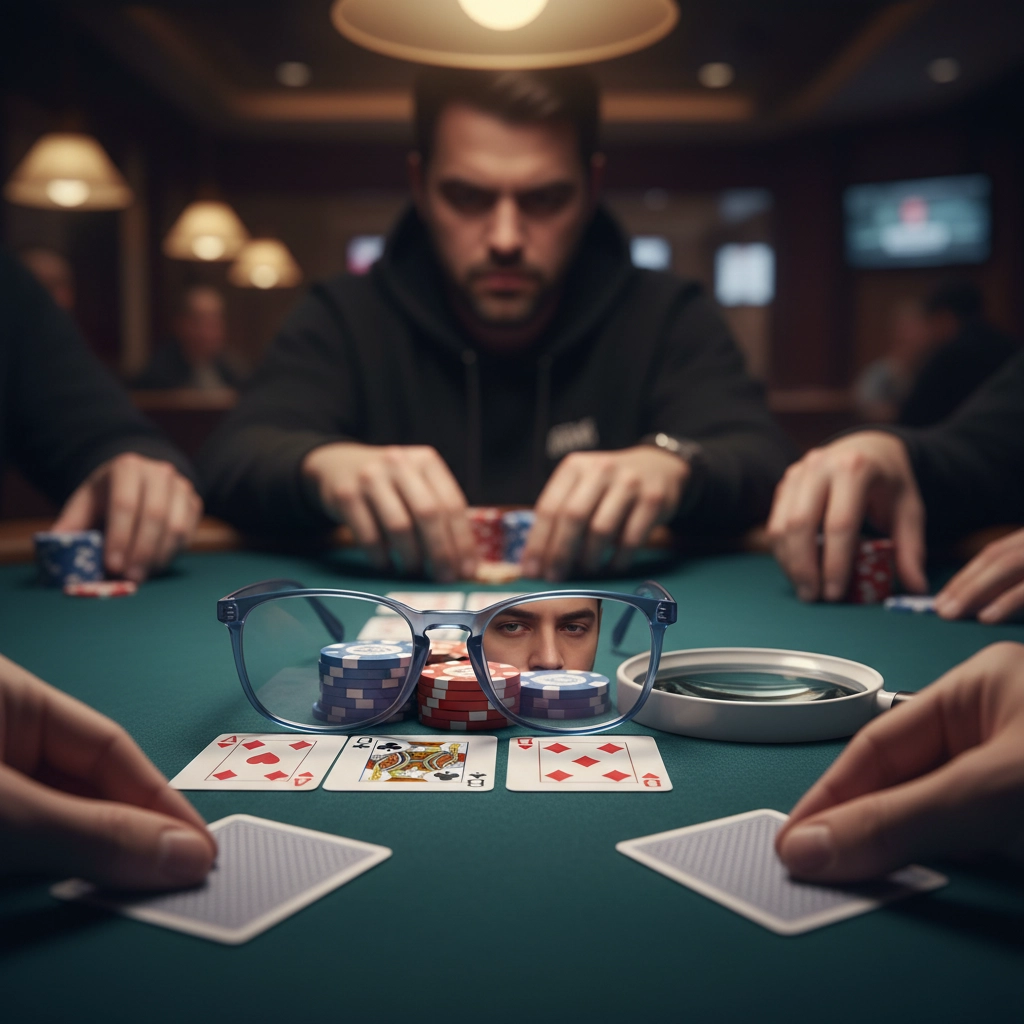
On the river, decisions are narrower and smaller pieces of information carry more weight. Focus on final-range construction: enumerate the opponent’s believable value hands, identify realistic bluff combos, and compare that ratio to the pot odds you’re being offered. Use these practical tactics:
- Enumerate combos quickly: mentally count likely value vs. bluff combos and ask whether their line realistically contains enough bluffs to make your call profitable.
- Leverage blockers: if you hold cards that block their highest perceived bluffs, be more inclined to call or even raise; if you lack blockers, tighten up.
- Use sizing as a test: small river bets on scary boards are often attempts to buy the pot — call more lightly; very large bets are typically polarized and merit combo analysis before committing.
- Avoid reckless hero calls: if you can’t justify a call with pot odds, blocker logic, or a plausible read on the opponent’s bluff frequency, fold. Preserving your stack is a win in itself.
- When showing down, gather data: note how the player explained their line, what hands they showed, and whether their story matched the betting pattern. That information sharpens your future river decisions.
Putting it into practice
Spotting bluffs is a skill honed through disciplined observation and deliberate practice, not luck. Commit to small, focused drills: review hands with attention to timing and sizing, keep a log of players who bluff or fold to aggression, and practice enumerating ranges under time pressure. Balance study with patience at the table — prioritize good decision-making over immediate results, and the long-term edge will follow.
For structured drills and deeper theory, consult reputable training resources such as Upswing Poker to expand both your practical exercises and conceptual framework.
Frequently Asked Questions
How can I tell if timing tells are reliable for a specific opponent?
Timing tells are only useful relative to a player’s baseline. Track how quickly they act with strong hands, weak hands, and when they check down; deviations from those patterns are meaningful. Also consider context—stack sizes, pot size, and whether the player is likely tanking to appear thoughtful. Use timing alongside sizing and line consistency rather than as a standalone indicator.
Are physical tells useful in online poker?
Online play removes most physical tells, but behavioral equivalents exist: bet sizing tendencies, timing patterns, chat behavior, and how quickly players change bet sizing across streets. These digital “tells” can be as informative as physical ones if you build baselines and combine them with range analysis.
When should I switch from a calling strategy to a raising strategy against a frequent bluffer?
Switch when you have sufficient information that the opponent over-bluffs and when your raise can credibly represent a polarized range (strong hands and bluffs). Also ensure table dynamics favor aggression—opponents who fold to raises or who are exploitable by pressure are ideal targets. Mix your approach so you don’t become predictable.