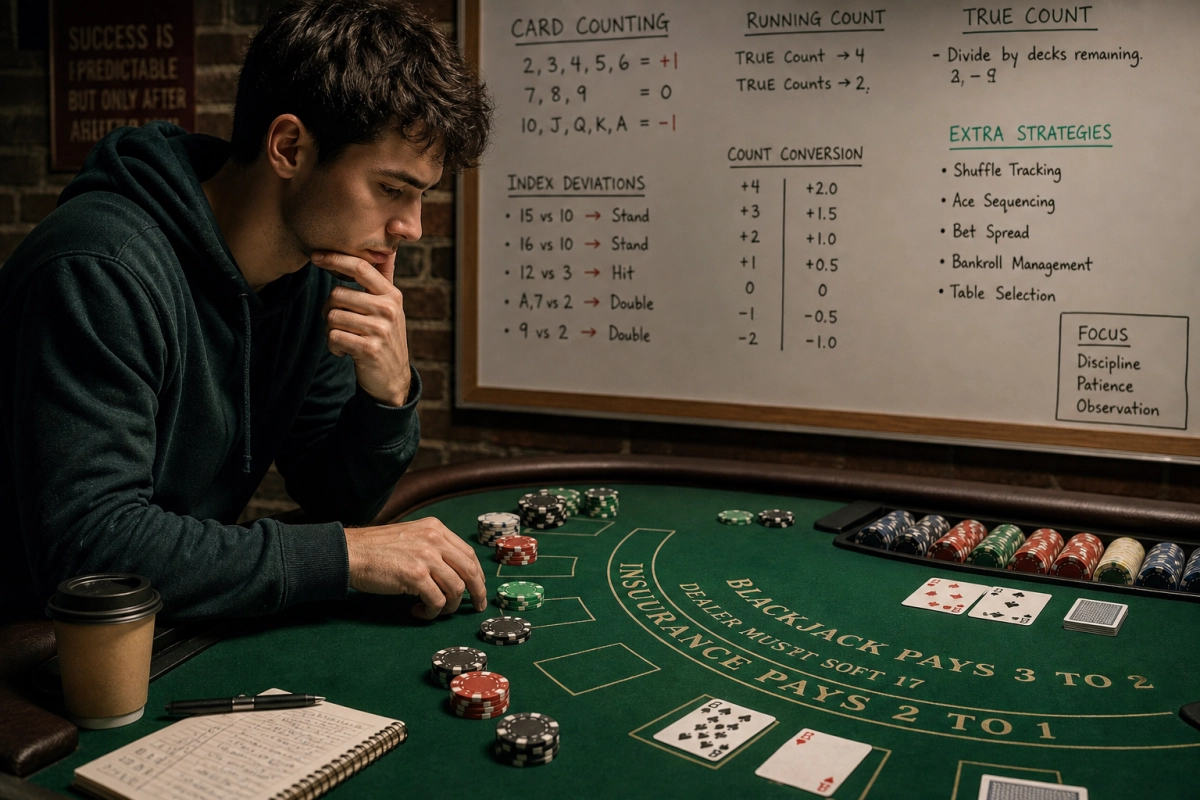
Why timing and table position are the backbone of successful bluffs
Bluffing isn’t just about forcing opponents to fold; it’s about choosing moments where your story lines up with the board, your seat, and the tendencies of the players left to act. When you understand how timing and position interact, you stop bluffing randomly and start bluffing profitably. You want to create pressure when it’s hard for your opponents to call and to back down when their ranges dominate yours.
Core factors that decide whether to bluff
Before you throw chips into the pot with an empty hand, consider these key elements. They help you judge whether a bluff is likely to succeed and whether the risk is worthwhile.
- Your position: Acting last gives you more information and control over the pot size. The later you act, the easier it is to represent strength credibly.
- Board texture: Dry boards (e.g., A♠ 7♦ 2♣) favor bluffs because fewer strong hands and draws are available. Wet boards with many draws make bluffs riskier.
- Opponent type: Tight players fold more often and are prime targets for bluffs; loose or calling stations will rarely fold to aggression.
- Stack sizes: Deep stacks allow multistreet bluffs but also give opponents more flexibility to call. Short stacks reduce fold equity but can be forced off hands with well-timed aggression.
- Table image and history: If you’ve been passive, a sudden aggressive play looks less believable. A tight image increases your fold equity.
How your seat changes the calculus of a bluff
Position is the single most reliable tool for converting marginal hands into profitable bluffs. When you have later position, you can observe actions, control pot size, and choose whether to take the initiative on each street. In early position you must be more selective—your range should be stronger and your bluffs fewer.
- Early position: Rarely bluff preflop; when you do, prefer smaller pots and simple lines. Postflop, avoid complex multi-street bluffs unless you have a strong read.
- Middle position: You can expand your bluffing range, especially against players behind you who are likely to fold. Use continuation bets on favorable boards.
- Late position (cutoff/button): This is your bluffing playground. Steal blinds, apply pressure on missed flops, and leverage your informational advantage to fold out marginal hands.
Mastering these early concepts—reading the board, sizing bets for fold equity, and using seat to your advantage—sets the stage for more advanced timing strategies. In the next section you’ll get step-by-step rules for when to bluff on each street and how to size bets to maximize folds without giving away your story.
Street-by-street rules: when to bluff on flop, turn, and river
Think of each street as a new chapter in the story you’re telling. Your decision to bluff should be a function of how convincing that story is at each point and how much fold equity you can generate. Here’s a practical, street-by-street checklist.
- Preflop: Bluff mainly from late position. Open-raise steals (button/cutoff) should be frequent—2.2–3.0 big blinds is a standard sizing—and you can three-bet-bluff more often against opponents who fold to preflop 3-bets. Avoid hero-only fancy plays from early position unless the table is extremely passive.
- Flop (continuation bets): Use c-bets to represent a wide portion of your range, but size them to the board. On dry boards (e.g., K♦ 7♣ 2♠) a small c-bet — roughly 30–40% pot — will often take it down. On wet, connected boards where draws exist, either check behind or bet larger (50–70% pot) to deny correct odds, but be prepared to give up if called. If you have position, c-bet more; out of position, be selective.
- Turn (double-barrel considerations): Only double-barrel when your line remains believable and the turn card improves your perceived range or removes many of the opponent’s nut combinations. Use a larger size (50–75% pot) to make calls costly. If the turn completes obvious draws and the villain is sticky, leaning toward pot control or checking is usually better.
- River (final representation): River bluffs should be rare and highly specific. You want blockers to key value hands and a story that reaches the river naturally (e.g., you c-bet flop, barreled turn, then make a polarizing river shove). Bet sizing here is polarizing: either a small blocker-size bet to pick off timid callers or a large 60–100% pot shove against opponents who call marginally. If an opponent called earlier with a range that includes many made hands, fold equity is usually insufficient—don’t bluff.

Sizing, blockers, and constructing a believable story
A good bluff is equal parts math and narrative. Bet sizing and blockers are your tools for convincing opponents that you actually have the hand you’re representing.
- Sizing principles: Smaller bets are efficient on dry boards and against tight players; larger bets are required when you need to deny odds or when the villain is sticky. Adjust sizing to what the opponent respects: if they fold to 1/3 pot but not 2/3, exploit that. Conversely, against calling stations, reduce bluff frequency and focus on value.
- Blockers and combo denial: Hands that contain cards blocking strong value combos (A, K, or the flush-high card) make effective river bluffs. For example, holding the A♠ on a board that could make many nut flushes reduces the chance the opponent has that exact combo, increasing fold equity.
- Believability and line consistency: Your actions must form a coherent line. An oversized river bluff that contradicts previous small bets will be called by attentive opponents. Build your story: sizing should escalate naturally and be consistent with the range you represented earlier streets.
- Balancing vs exploitative play: At high stakes or against capable opponents, mix in some bluffs so your betting range isn’t always value-heavy. At softer tables, shift to exploitative strategies—bluff more vs folders, bluff less vs callers.
When to fold a bluff and when to pivot
Not every bluff is salvageable. Knowing when to stop is as important as knowing when to start.
- If a player shows extreme strength (large snap-raise or check-raise) on a texture that hits their calling range, abandon the bluff.
- If the opponent is a known calling station or the pot odds you’re offering them are too good, don’t continue—save your chips for better spots.
- When your line is called on an earlier street and the river makes your story implausible, pivot to a value-minimizing line (small bet or check) rather than forcing a river bluff.
- Use these exits proactively: plan your fold points before you commit to a multistreet bluff so you don’t fall in love with the idea and throw good money after bad.

Practice drills to sharpen timing and position
Theory only takes you so far—bluffing is a skill you refine with targeted practice. Try short, focused drills at low stakes or play-money tables to build instincts without risking your bankroll.
- Late-position steal drill: Play 50 hands from the cutoff/button where you attempt standard steal sizing and record fold rates.
- Dry-board c-bet drill: Over a session, c-bet small on dry flops and note how often opponents fold on the flop versus giving action on later streets.
- Blocker awareness drill: Track hands where you held key blockers on river-runouts and compare success rates of river bluffs versus when you had no blockers.
- Fold-point planning: For multi-street bluffs, predefine a fold point before the hand and practice folding when that point is reached.
Putting timing and position into play
Bluffing effectively is less about precise memorized rules and more about a disciplined approach: pick spots where your story is believable, respect opponent tendencies, and have clear exit points. Be patient—apply pressure where it matters, learn from hands where you’re called, and adjust rather than forcing hero plays. For structured drills, strategy articles, and examples you can study between sessions, explore additional resources like practice drills and training resources.
Frequently Asked Questions
How often should I bluff from late position?
Frequency depends on table dynamics, but late position is where you can bluff most profitably. Increase attempts when opponents are tight or respect your raises; decrease when facing multiple callers or calling stations. Use small, repeatable drills to find a rate that works for your games.
When are blockers most valuable for a river bluff?
Blockers matter most when they reduce combinations of the opponent’s strong hands that would call a river bet (for example, holding the ace when the board makes many ace-high value combos). Blockers raise fold equity on polarized river bluffs and are especially useful combined with a believable multistreet line.
How do stack sizes change my bluffing strategy?
Deeper stacks allow more multi-street bluffs but give opponents room to float and call; you need stronger narratives and often larger turn bets. Short stacks reduce fold equity but let you apply shove pressure more cheaply—stealing with well-timed aggression is more effective when opponents fear being crippled.