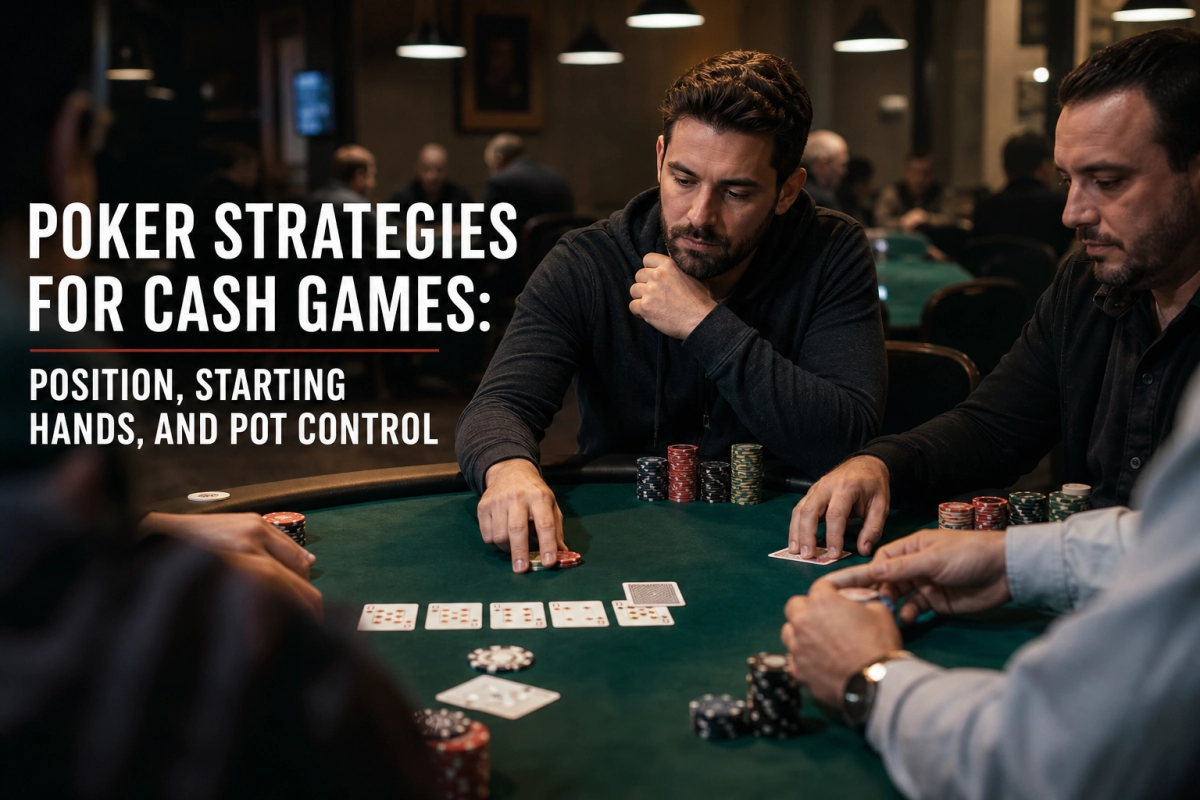
Why reading tells and bluff patterns gives you an edge at the table
You’re at a table where chips move fast and decisions must be made with incomplete information. Beyond math and position, human behavior supplies extra data that can shift the odds in your favor. Detecting poker tells and bluffing patterns isn’t about guessing; it’s about gathering repeated, contextual cues that let you make higher-quality decisions. When you combine behavioral observation with sound game theory, you improve fold equity assessment, sizing choices, and when to punish or avoid bluffs.
How to approach tells without becoming biased
It’s easy to fall into confirmation bias — noticing only the gestures that support a prior belief about a player’s hand. To avoid costly mistakes, treat every observation as a hypothesis: record it mentally, look for consistency, and weigh it against betting lines and table history. You should also prioritize tells that are hard for a player to fake (e.g., involuntary micro-expressions or consistent timing patterns) over ones that are easily manipulated (e.g., rehearsed verbal cues).
Physical tells: what to watch and how to interpret signals
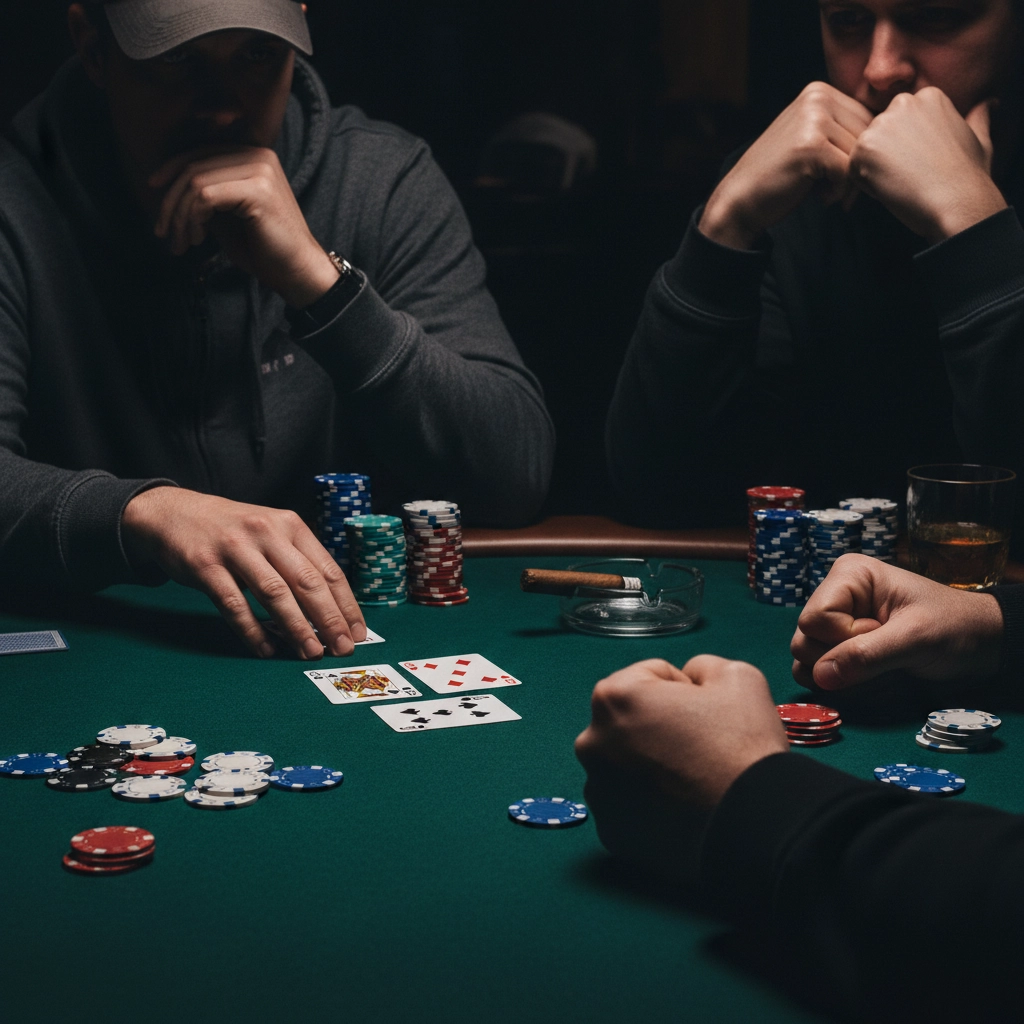
Physical tells remain some of the most accessible cues, especially in live games. But you must interpret them relative to the player’s baseline — how they behave when checked, when winning, and when uncomfortable. Focus on changes, not absolutes.
Common, reliable physical tells to monitor
- Posture change: A player who suddenly sits upright or leans forward may be excited about their hand; slouching can indicate weakness or disinterest.
- Chip handling: Confident players often count chips or handle them smoothly; nervous fidgeting with chips or overly careful stacking can accompany bluffing anxiety.
- Eye contact and gaze: Avoidance or repeated glances at opponents or the muck can mean nervousness; unwavering stare-downs can be either aggression or a deliberate attempt to intimidate.
- Breathing and micro-tells: Shallow, rapid breaths or a throat clear right after seeing your hand are subtle cues that often occur when a player is trying to steady themselves before bluffing.
- Facial micro-expressions: Small smiles, lip presses, or eyebrow movements that differ from baseline can betray emotion — but they require careful, repeated observation to be reliable.
Practical rules for using physical tells
- Collect at least two matching cues before acting on a tell.
- Cross-check a physical tell with the betting pattern — the tell alone should not determine a major play.
- Watch for deliberate misdirection from experienced players; look for tells that are hard to fake (timing, breathing) rather than obvious gestures.
Now that you know which physical cues to collect and how to avoid common pitfalls, the next section will show you how timing and betting-pattern tells interact with physical signals and how to synthesize them into reliable reads at different stack sizes and game types.

Timing and betting-pattern tells: where the real information lives
Physical tells are useful, but the clearest behavioral data often comes from how a player acts with their chips and clock. Timing and bet-sizing reveal intent because they’re tied directly to decision-making processes; unlike a practiced smile, you can’t easily fake the logic behind a bet size or the time it takes to act. To get the most from these tells, always read them alongside the player’s baseline and the board texture.
- Speed of action: A snap-bet or snap-fold usually reflects a pre-determined plan — either a strong value hand that’s easy to size or a quick fold to an obvious threat. Conversely, long tanking tends to indicate a non-obvious, marginal decision where the player is weighing options (call vs fold vs raise).
- Bet sizing patterns: Consistent fractions of the pot (e.g., always 1/3 on flop with draws) are easier to model and thus more reliable. Sudden deviations — an unusually large bet for thin value or a tiny blocker bet — can signal change in hand strength or strategic deception.
- Timing tells combined with physical cues: A player who inhales sharply and then quickly shoves may be masking a bluff with confidence; if that same player’s hands are trembling, weight the read toward deception. If a long tank is paired with steady breathing and a deadpan face, prepare to face a reasoned value bet rather than an emotional gamble.
- Action relative to position and players left to act: Quick raises from the button after passive action indicate aggression; delayed raises in multiway pots often mean a calculated attempt to isolate or exploit perceived weakness.
Practical rule: never treat timing or size as standalone proof. Assign each behavior a confidence level (low/medium/high) based on how repeatable and hard-to-fake it is, then combine that with physical tells and betting lines to reach a decision.
Synthesizing tells for different stack depths and game formats
Tells must be applied differently depending on stacks, structure, and whether it’s live or online. A signal that justifies a bluff-call in a deep-stack cash game may be irrelevant — or deceptive — in a tournament bubble or short-stack shove spot.
- Deep stacks (cash, deep tournaments): Players have room to maneuver, so look for multi-street consistency. A consistent story across flop-turn-river — timing, sizes, and matching physical cues — is powerful. Exploitative plays: float then raise when you see hesitation+weak sizing on later streets.
- Medium stacks (standard tournament levels): Because implied odds shrink, players tighten. Rapid, large bets often represent polarized ranges. Rely more on bet-sizing tells than subtle micro-expressions; short-term timing shifts (sudden snap bets) become more meaningful.
- Short stacks (shoves, bubble play): Actions are binary — shove or fold. Physical and timing tells can still matter, but they’re high-variance. Use them to adjust marginal folds/calls only when you have corroborating betting history.
- Live vs online: Online timing patterns (instant vs tank) and bet sizes are cleaner signals but easier to fake with auto-timers; live play gives you additional physical context. Combine modalities — online regulars’ timing footprints across sessions can be as predictive as live breathing cues.
Final synthesis tip: maintain a dynamic player notebook in your head (or on paper if permitted). For each opponent record their baseline, one-to-two reliable tells, and the contexts in which those tells mattered. When you decide, state your confidence and the consequences — if a read is low-confidence, prefer actions that minimize risk (check/ fold, small-sized calls) rather than hero calls or large bluffs. That discipline turns tells from entertaining observations into a real edge at the table.
Practice drills to sharpen your reads
- Observation sessions: Sit out a few hands and only watch — note timing, sizing, and physical baselines for three regulars. Focus on consistency across 20–30 orbits.
- Controlled experiments: When heads-up with a friend, deliberately change one variable (timing or chip handling) and see how quickly the other player picks up on it.
- Hand-history review: After a session, tag hands where a read influenced your decision and track whether it was correct. Look for patterns in successful vs. failed reads.
- Short drills: Practice assigning low/medium/high confidence to observed cues and choose the least risky action for low-confidence reads until you gain evidence.
Putting reads into practice
Turning tells into consistent advantage requires disciplined, ethical application: build baselines, prefer hard-to-fake signals, and always cross-check with betting lines. Make small, incremental adjustments based on repeatable evidence rather than single occurrences, and keep your risk aligned with the confidence of your read. If you want a concise external reference on practical tell recognition, see this practical poker tells guide for further examples and drills.
Frequently Asked Questions
How many tells should I rely on before acting?
Never act on a single cue. Collect at least two matching signals (e.g., timing + posture change) and cross-check them with the betting pattern and table history. Assign a confidence level (low/medium/high) and scale your action to match that confidence.
Are tells useful in online poker?
Yes, but the signals differ. Online play lacks physical cues, so timing patterns, bet sizing, and HUD statistics become primary tells. Be cautious with auto-timers and deliberate timing manipulations; use hand histories to validate patterns over many hands.
Can experienced players fake tells to deceive opponents?
Absolutely. Experienced players may attempt obvious gestures to mislead. That’s why prioritizing hard-to-fake indicators (consistent timing, multi-street betting logic) and verifying with repeated observations is essential. Maintain skepticism and avoid confirmation bias.