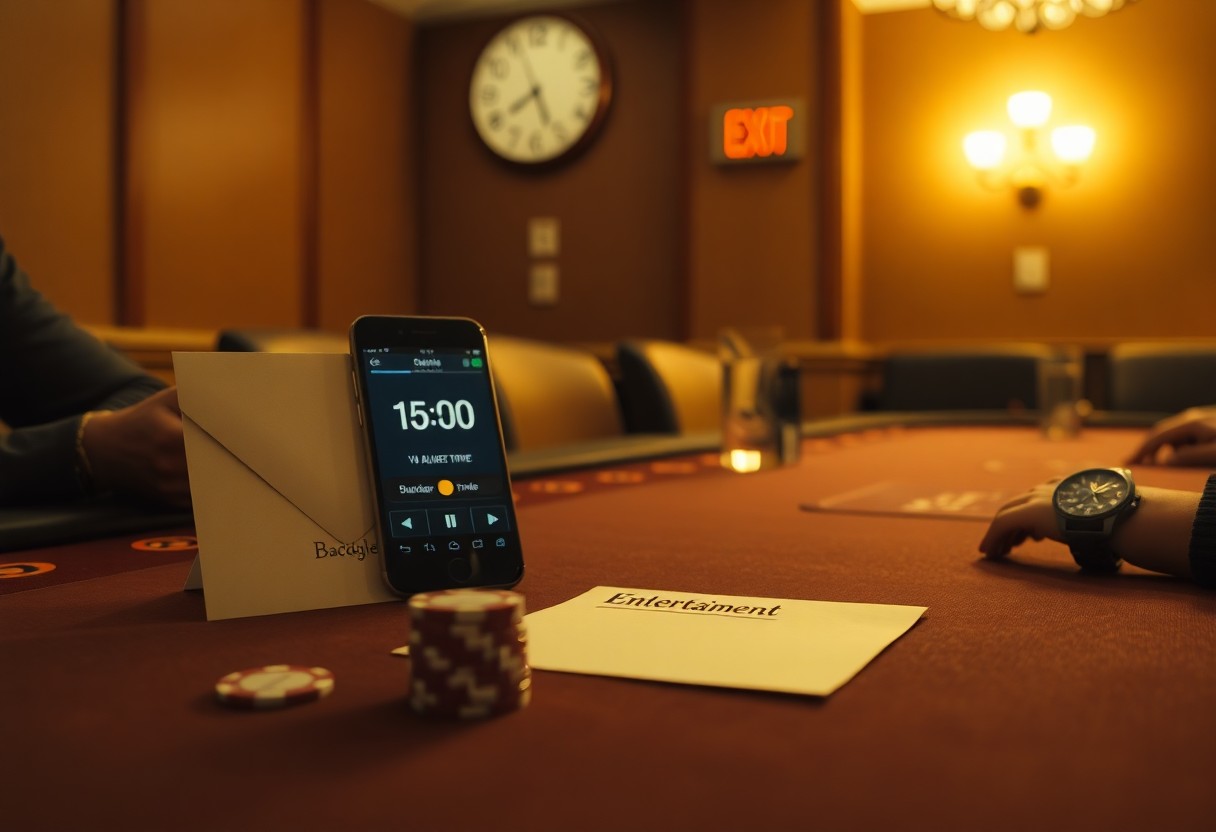
This guide gives clear, practical steps to keep gambling enjoyable and safe-set firm time and money limits, adopt healthy strategies like regular breaks and bankroll management, and learn to spot warning signs of losing control so you can get support early.
Types of Gambling
Gambling breaks into distinct formats-casino games, sports betting, lotteries, poker, and online gambling-each varying by skill, session pace, and payout mechanics; house edges and odds shape expected loss rates and volatility. Any sensible approach matches game choice to bankroll, time limits, and known risk metrics to keep play controlled.
- Casino Games
- Sports Betting
- Lotteries
- Poker
- Online Gambling
| Casino Games | Table and slot play with house edge ranging from ~0.5% (blackjack with basic strategy) to 5%+ (some slot machines); session lengths vary widely. |
| Sports Betting | Markets have operator margin (vig) typically 5-10%; professional bettors focus on value and bankroll management; variance can be high across short samples. |
| Lotteries | Very long odds (jackpots can be 1 in 10-300 million); expected return is low but wins are high-impact; best treated as entertainment, not investment. |
| Poker | Primarily skill-based in the long run; rake and tournament fees reduce returns; successful players study EV, pot odds, and exploitative strategies. |
| Online Gambling | Includes RNG slots, live dealers, and sports markets; reported RTPs for slots commonly sit between 85%-98%, while accessibility increases session frequency and risk. |
Casino Games
Blackjack can offer a ~0.5% house edge with proper basic strategy, roulette sits at ~2.7% (European) or 5.26% (American), and slots vary widely with RTPs often 85-98%; high variance on slots means rapid bankroll swings, so set loss limits, use time checks, and prefer lower-edge games when trying to control expected losses.
Online Gambling
Many online slots advertise RTPs between 92% and 98%, live-dealer tables mirror land-based rules but allow faster play, and mobile often accounts for a large share of wagers (commonly around 50-70%); licensing and third-party audits (e.g., independent RNG reports) matter for fair play, while deposit limits and session timers help manage risk.
Regulation and technology change how harm appears: licensed operators report payout statistics and offer tools like self-exclusion and deposit caps, but the speed of digital play-thousands of spins per hour versus tens in a casino-amplifies short-term losses; using verified RTPs, setting strict staking rules, and preferring lower-volatility products reduces harm. Any player spotting loss-chasing should immediately use limits, self-exclusion, or seek professional support.
Tips for Responsible Gambling
Set concrete boundaries before betting: define a time limit, a per-session loss cap, and a weekly deposit ceiling to keep gambling within your entertainment budget. Use operator tools-deposit limits, cooling-off periods, and self-exclusion-and practical cues like alarms or a visible note to enforce them. For many players a 30-60 minute session and a $20-$100 loss cap fit typical budgets. Assume that you’ll stop immediately when any limit is reached.
- Responsible gambling
- Setting limits
- Bankroll management
- Self-exclusion
- Time limits
Setting Limits
Begin each session with specific caps: set a time limit of 30-45 minutes and a loss cap equal to 5-15% of your weekly entertainment budget. For example, a $200 weekly budget suggests a $10-$30 loss cap; combine that with a countdown alarm and a written rule that hitting any cap ends play, which reduces the risk of extended losses or impulsive returns.
Bankroll Management
Keep a dedicated bankroll separate from bills and savings, stored in a separate account or e-wallet. Use unit-size bets of 1-2% per wager: with a $500 bankroll, place $5-$10 units to smooth variance and extend play. Record every deposit and session outcome weekly to identify upward spending drift early.
Adjust units only after clear trends: after five winning sessions consider one unit increase, but after a 30% drawdown pause play and reassess. Maintain a simple ledger or app to track runs and session lengths; that visibility highlights dangerous patterns like chasing losses and supports tools such as deposit caps or self-exclusion if behavior turns risky.
Step-by-Step Guide to Healthy Gambling
| Step | Action |
|---|---|
| Overview |
Set clear goals, firm money and time limits, and choose games with lower house edge; for example, allocate an entertainment stake equal to 1-2% of net monthly income, cap sessions at 60-90 minutes, and use deposit limits or self-exclusion tools. Track every session in a simple spreadsheet or app and stop when you hit pre-set loss or time thresholds to avoid escalation. |
| Defining Your Goals |
Decide if gambling is for entertainment, skill-building, or occasional profit; set measurable objectives like “play twice monthly for under 90 minutes” or “stop when I lose $40 or win $100.” Use specific targets so you can evaluate behavior: frequency, time per session, and a clear outcome threshold that separates leisure from risky play. |
| Establishing a Gambling Budget |
Calculate disposable income, then allocate a fixed gambling fund-commonly 1-5% of monthly net income; for example, with $3,000 net, that’s $30-$150 monthly. Break that into session limits (e.g., $30 per session), set deposit caps, and keep gambling money separate from bills and savings to prevent overspending. |
Defining Your Goals
Pin down concrete, measurable goals: limit sessions to a set frequency and duration, specify win or loss cutoffs (for instance stop after a $50 net loss or $120 net win), and decide whether improving strategy is an aim. Tracking outcomes by session provides feedback; if you miss targets repeatedly, adjust goals downward or pause to reassess.
Establishing a Gambling Budget
Start by identifying monthly disposable income, then assign a fixed entertainment budget-many experts suggest 1-5% of net income. Implement session caps (e.g., 20-40% of the monthly budget), enable operator deposit limits, and avoid mixing gambling funds with imperatives to reduce the risk of overreach and impulsive deposits.
To operationalize the budget: compute disposable income, decide on a percentage (1% is conservative), split the monthly allotment into session amounts and weekly checks, and set automated deposit and loss limits at the operator. For example, with $500 disposable, a 2% allocation is $10 per session or $100 monthly; use prepaid cards or separate wallets and log every stake and outcome. Emphasize pre-commitment limits and guard against chasing losses.
Factors to Consider Before Gambling
Assess practical items like your budget, session time limits, and the game’s house edge before betting: slots can carry a 2-10% edge, roulette 2.7-5.3%, and basic-strategy blackjack can be under 1%. Plan a clear bankroll management rule (for example, 1-2% of disposable income per session) and a stop time to avoid extended losses; set alerts on your phone if needed. Knowing how these variables interact lets you make measured choices rather than reactive ones.
- Budget
- Time limits
- House edge
- Bankroll management
- Environment
- Mental state
- Strategy
Environment and Atmosphere
Evaluate the venue’s cues: casinos use lighting, ambient sound, and layout to extend play, while bars offering free drinks and dense crowds can impair judgment. Online operators add autoplay and flashy pop-ups that promote faster betting; disabling autoplay and using night mode reduces impulsivity. Choose quieter rooms, set volume and notification limits on apps, and prefer daytime sessions-ventilation, seating comfort, and crowd levels directly affect session length and risk-taking.
Personal Mental State
Check your mood and cognitive readiness before gambling: stress, fatigue, or recent emotional losses increase impulsivity and the chance of chasing losses. If you’ve had poor sleep, heavy drinking, or a heated argument, postpone betting-decision quality drops and one bad streak can escalate quickly. Establish a short pre-play checklist to assess readiness.
Use concrete rules to protect yourself: avoid gambling within 24 hours of heavy alcohol use or after a night shift, set a maximum loss you’ll accept, and schedule mandatory breaks every 30-60 minutes. Watch for warning signs-intense preoccupation, rising bet sizes, or denial-and apply tools like self-exclusion, deposit limits, or cooling-off periods. Case examples show players who implemented 30-minute breaks and strict loss limits reduced session losses by notable margins; prioritize pre-commitment and external controls to keep behavior stable.
Pros and Cons of Gambling
| Pros | Cons |
|---|---|
| Recreational enjoyment and entertainment value for short sessions. | Risk of financial loss due to the house edge and negative expected value. |
| Social interaction at casinos, poker rooms, and betting groups. | Relationship strain and isolation when play becomes excessive. |
| Skill-building opportunities in games like poker and sports betting analysis. | Misplaced belief in skill can lead to overconfidence and larger losses. |
| Occasional large wins create excitement and memorable experiences. | Chasing losses commonly escalates debt and stress. |
| Local economic benefits: jobs, tourism, tax revenue. | Public health costs when problem gambling develops, affecting families. |
| Regulated operators provide consumer protections and self-exclusion tools. | Unregulated markets increase fraud, unfair odds, and lack of recourse. |
| When budgeted, gambling can teach money-management and discipline. | Poor budgeting often leads to liquidity problems and missed obligations. |
| Low-risk play is compatible with other hobbies and leisure activities. | Studies estimate about 0.5-3% of adults may develop gambling problems. |
Benefits of Controlled Gambling
Setting a firm bankroll (for example, no more than 5% of monthly discretionary income) and session limits – such as one to two hours – preserves gambling as harmless entertainment; surveys show many players who use limits report negligible harm, while skill-based games like poker can improve decision-making and risk assessment when played responsibly.
Risks and Drawbacks
Even with brief exposure, gambling can escalate: chasing losses, increased tolerance to risk, and co-occurring issues like anxiety or substance use raise the chance of harm; studies estimate between 0.5% and 3% of adults develop problematic gambling behaviors requiring intervention.
Progression often follows a pattern: small, controlled bets grow into larger wagers after repeated losses, and emotional triggers (stress, boredom, depression) accelerate the cycle. Financial consequences include mounting unsecured debt and depleted savings, while clinical features often include preoccupation, failed attempts to stop, and lying to conceal activity. Comorbidity with mood disorders or substance misuse increases suicide risk and complicates treatment, so early screening, budgeting rules, and professional support are important for anyone showing persistent loss of control.
Signs of Losing Control
When gambling shifts from recreation to compulsion, patterns become visible: increased frequency, bigger stakes, and prioritizing play over bills or relationships. Research estimates roughly 1% of adults meet criteria for gambling disorder, with another 2-3% showing problem gambling behavior. Watch for repeated attempts to break limits, chasing losses, or relying on gambling for emotional escape-these are strong indicators that intervention is needed.
Behavioral Indicators
Frequent red flags include escalating bets, playing longer than intended (e.g., planned 1 hour becomes 4+), multiple deposits in a single session, missed work, and borrowing money or selling items to fund play. Lying about time or losses and ignoring family commitments are common; in severe cases people use loans or credit cards, turning entertainment into debt through borrowing money and secretive behavior.
Emotional Signs
Shifts in mood often accompany loss of control: persistent anxiety, irritability when not gambling, guilt after sessions, and constant preoccupation with the next bet. Emotional volatility can escalate to isolation and strained relationships, and in some people is linked to higher rates of suicidal thoughts, making these signs especially dangerous and urgent to address.
Emotions commonly drive poor choices: after a big loss many report a surge of panic or shame that triggers immediate risky bets-this urge-response loop is well-documented in clinical studies. Tracking triggers with a simple mood-and-urge diary, rating urges 0-10, and noting context (time, drinks, who you’re with) reveals patterns. Effective responses include setting strict limits, using self-exclusion tools, and contacting professional support or helplines when urges consistently score high.
Final Words
Ultimately set clear time and money limits, treat gambling as entertainment rather than income, avoid chasing losses, and take regular breaks; monitor emotions, maintain other hobbies and social connections, and use self-exclusion tools or professional support if patterns change. Consistent boundaries and honest self-assessment let you enjoy gaming responsibly while minimizing harm.
FAQ
Q: How do I set and stick to limits so gambling stays fun?
A: Decide on a fixed bankroll and a separate session budget before you gamble, using only money you can afford to lose. Set a time limit for each session and use an alarm or app to enforce it. Establish both a win goal and a loss cap: stop when either is reached. Use cash or a preloaded card instead of linked bank accounts to prevent impulsive top-ups, and consider self-exclusion or deposit limits offered by casinos and apps if you find it hard to follow your rules.
Q: What day-to-day habits help me enjoy gambling without losing control?
A: Treat gambling as entertainment, not income: allocate it the same way you would a movie or concert expense. Avoid gambling when you’re tired, stressed, or under the influence of alcohol or drugs, and schedule breaks during long sessions to reassess. Learn game rules and odds so decisions are informed, choose lower-variance games if you prefer steady play, and alternate gambling with other hobbies to keep it one part of a balanced life. Track outcomes to stay aware of spending and adjust habits when losses exceed expectations.
Q: What signs indicate gambling is becoming a problem, and what steps can I take?
A: Warning signs include chasing losses, increasing time or money spent, borrowing to gamble, neglecting work or relationships, hiding activity, and feeling restless when not gambling. If you notice these, immediately tighten financial controls-remove saved payment methods, let a trusted person hold your cash or cards, and enable self-exclusion or deposit/ wagering limits. Seek support from friends, family, or professional services and contact local gambling helplines or counseling for structured help. Early action and honest accountability greatly reduce harm.