Turn table cues into actionable reads: why tells are your bluffing blueprint
If you want to bluff with confidence, you must base your moves on information, not hope. Tells—small, repeatable cues in opponents’ behavior—give you that information. When you pay attention to physical mannerisms, timing, and betting rhythm, you convert guesswork into an edge. You don’t need to be a human lie detector; you need a simple system for observing, recording, and using cues that correlate with strength or weakness.
In practice, that means treating every hand as data collection. Before you attempt a big bluff, you should know how your target behaves when they have strong hands versus when they are uncertain or folding. The more consistent the pattern, the more you can trust it. Use observations to answer two questions: does this opponent tighten up or loosen up in pressure spots, and how does their body language or timing change with their hand? Those answers shape when and how you bluff.
Recognize physical tells that actually matter at the table
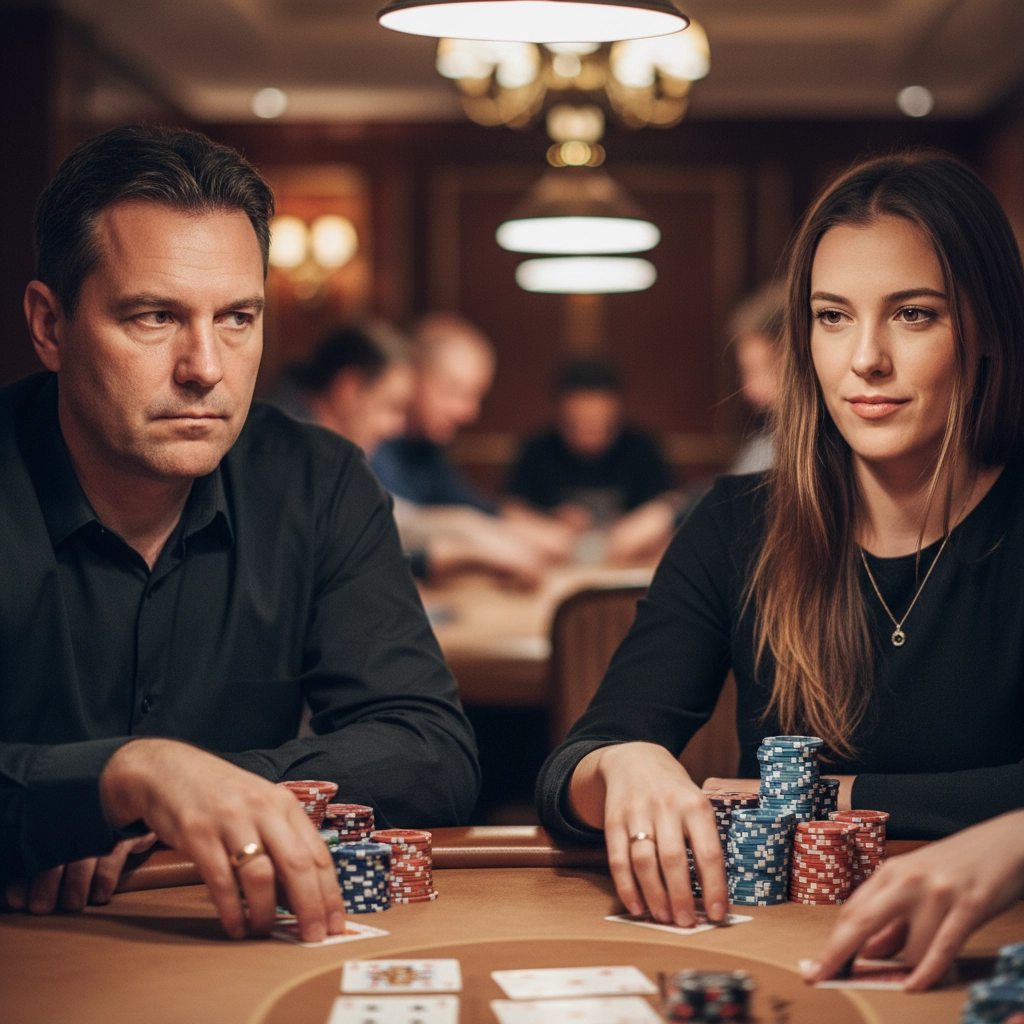
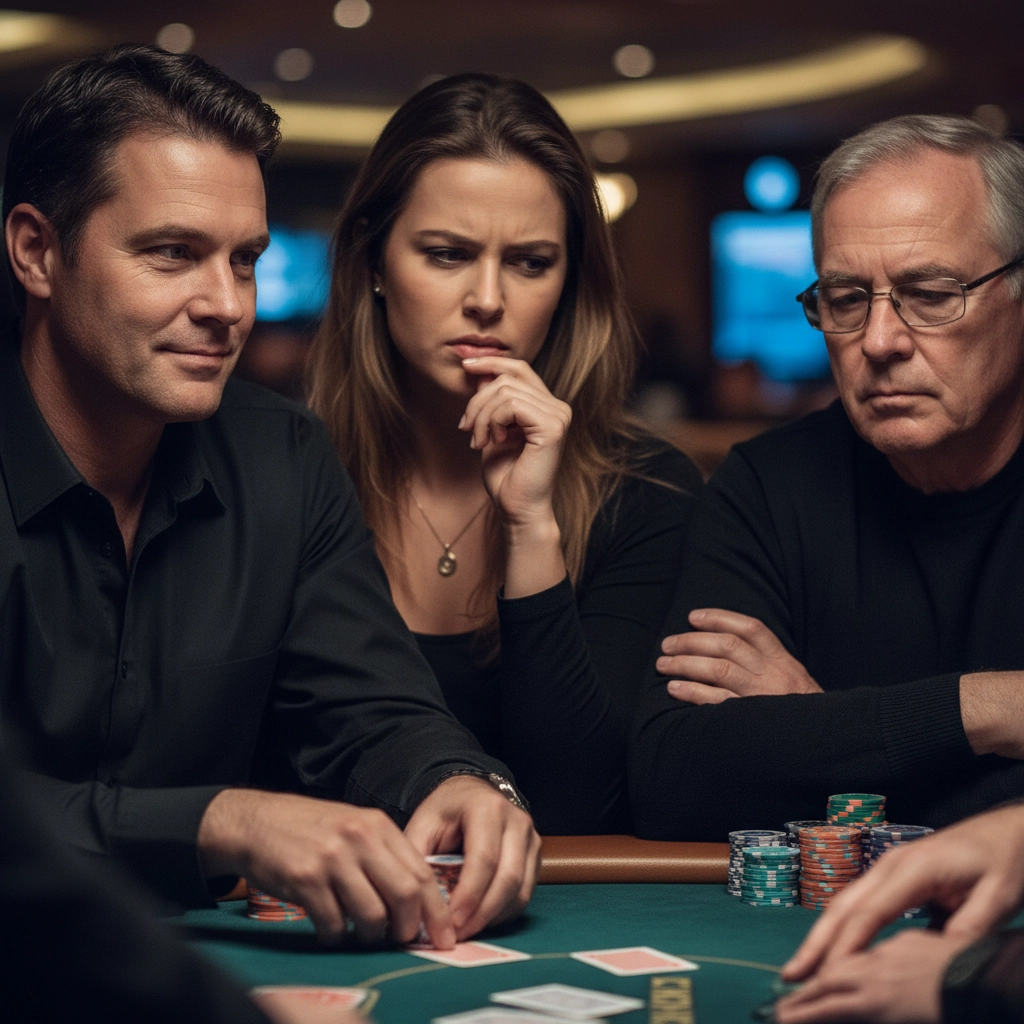
Physical tells are memorable because they’re visible, but not all are reliable. You should focus on tells that are: repeatable (the player shows them consistently), context-dependent (they appear in similar spots), and correlational (they often line up with showdown hands). Below are common, useful physical cues and what they often indicate—remember to verify each player’s baseline first.
- Change in breathing or posture: A sudden relaxation or sitting back after betting can mean relief and a strong hand; the opposite—tension or leaning forward—can indicate a made decision to bluff or uncertainty.
- Chip handling and stacking: Confident, smooth stacking tends to correlate with strength; nervous fidgeting or hurried bets can signal weakness or a forced play.
- Eye contact and gaze: Players who avoid eye contact after a big bet may be uncomfortable with a bluff, but some opponents deliberately avert their gaze to fake weakness—baseline matters.
- Micro-expressions and mouth movement: A micro-smile or tightened lips when betting can be an involuntary sign of strength; pursed lips or a drawn breath before folding are common weakness tells.
Use these physical signals as confirmatory evidence rather than proof. In live games, combine them with how the player has shown down hands; online, rely more on timing and bet sizing patterns because physicals are absent.
Spot behavioral and betting-pattern tells before committing to a bluff
Bet sizing, timing, and frequency are often the clearest tells. A player who instantly calls small bets but folds to larger reps may be exploitable with larger, polarizing bluffs; someone who tanks and then bets large is typically polarized toward a strong range. Record how quickly they act in specific scenarios: quick folds, immediate raises, or long tanks all have patterns you can exploit.
- Quick checks followed by sudden aggression: often a controlled bluff or trap.
- Consistent overbets on later streets: indicates polarized ranges—good targets for well-timed probes.
- Frequent small bets with hesitant timing: look for weakness and consider pressure-sized bluffs.
Establish a baseline for each opponent and only bluff when your read is supported by multiple cues—this reduces risk and increases fold equity. In the next section you’ll learn how to combine these tells with hand ranges, opponent types, and bet sizing to design specific bluffing plans that win more pots.
Map tells to ranges: construct a believable betting story
Tells are only useful when they connect to hand ranges. Before you shove chips into the middle, ask: what is the story my line tells from the opponent’s perspective? A plausible bluff must represent a range that the board and prior action allow. Use the tell to decide which side of the range your opponent is on—strong, uncertain, or weak—and then choose a line that credibly represents the strong side.
Practical steps:
– Convert the tell into a range shift. A fast, snap-bet on the river from a normally slow player often moves them toward strong, value-heavy hands. A long, hesitant check-raise could indicate a controlled bluff or a marginal made hand. Translate that into whether your opponent’s range is polarized (nuts or air) or merged (many medium-strength hands).
– Consider board texture. Dry boards make high-frequency bluffs believable because fewer strong hands connect; coordinated boards reduce fold equity for bluffs because they hit calling ranges more often.
– Use blockers. Holding cards that block obvious value combos (for example, you hold the ace on an ace-high board) lets you represent those hands more credibly and increases fold equity.
Design your line to tell one consistent story across streets. If you’ve been passive and suddenly bet big on the river, the move needs to match a hand that would logically spring from the earlier action—otherwise good opponents will smell a fabricated narrative.
Size and timing: make your bluff credible and economical
Sizing and timing are your delivery. The right size maximizes fold equity while minimizing loss when called; the wrong size exposes the bluff as goofy or desperate.
Guidelines:
– Use sizes that match the story. Small, probing bets look like protection or a value denial on dry boards; large polarizing bets claim near-nuts on wet boards. If you’ve been betting small on the turn, a sudden overbet on the river should represent a very strong hand.
– Be economical. Bluff enough to pressure your target but never commit more than necessary. A well-timed half- to two-thirds-pot sized bet often extracts folds without bloating your risk (adjust by opponent tendencies and pot size).
– Think in multi-street plans. Decide whether this is a one-street bluff or a multi-street semibluff. If you have outs or redraws, the turn is the place to pressure; the river is for polarized, high-conviction bluffs supported by blockers and tells.
Timing is a tell too—rapid bets can sell confidence; deliberate pauses can project thoughtfulness or discomfort. Use this to your advantage: mirror your opponent’s tempo when representing similar strength, and vary it when trying to disguise your true motive.
Target selection and table dynamics: pick the right moment
Bluffing is as much about whom and when as how. Target weaker, predictable players and avoid stubborn calling stations or opponents who rarely fold to size pressure.
Match your plan to:
– Opponent archetype: Tight-passive opponents fold more to aggression; loose-aggressive players may bluff back or target your bluffs; calling stations require value-heavy approaches, not bluffs.
– Stack sizes and stage: Deep stacks allow post-flop maneuvering and multi-street bluffs; short stacks reduce maneuverability and increase the risk of being shoved back.
– Table flow: If the table is passive, a sudden aggression appears more credible. If fights have been frequent, your bluffs will be scrutinized.
Quick pre-bluff checklist: baseline confirmed, tell corroborated, board texture favorable, you hold at least one relevant blocker or outs, opponent type aligns, and your sizing tells the right story. If any element is missing, fold the idea and wait for a cleaner opportunity.
Practice drills to sharpen your reads
- Observation-only sessions: Sit in on a few tables without playing and record 10–20 hands where you note timing, bet sizes, and any physical cues. Compare notes to showdowns to gauge reliability.
- Focused hand reviews: After a session, review hands where you considered a bluff. Note which tells you relied on and whether they matched the opponent’s showdown range.
- Small-stakes experimentation: Bluff selectively at low stakes to test reads and sizing choices. Limit frequency and keep a journal of outcomes and opponent types for patterns.
Putting tells and bluffs into action
Mastering tells and bluffing is a long game: combine disciplined study, deliberate practice, and ethical tablecraft. Treat each session as research—collect baselines, test hypotheses, and adjust your lines based on evidence rather than intuition alone. Start small, prioritize situations with high fold equity, and never let a single flashy bluff define your style.
If you want structured drills and deeper strategy articles, consider reputable training resources to accelerate learning: Upswing Poker offers lessons on bet sizing, ranges, and exploiting opponent tendencies.
Frequently Asked Questions
How reliable are physical tells compared to betting patterns?
Physical tells can be useful but are less reliable than consistent betting patterns. Always establish a baseline for the player and corroborate physical cues with timing and sizing behavior. In online play, prioritize timing, bet sizing, and HUD/statistics since physical cues aren’t available.
When is bluffing most likely to fail?
Bluffs are likely to fail against calling stations, on coordinated boards that hit likely calling ranges, when you lack relevant blockers or story coherence, or when your read is based on a single unverified cue. Avoid high-variance bluffs in short-stack or heads-up spots where you can be shoved back.
How can I practice reading tells in online poker?
Focus on timing tells, bet sizing patterns, and frequency of certain actions. Use hand-history reviews, HUD stats, and session notes to build profiles. Practice mirroring live observation by noting how opponents react to various bet sizes and then checking those notes against showdowns.