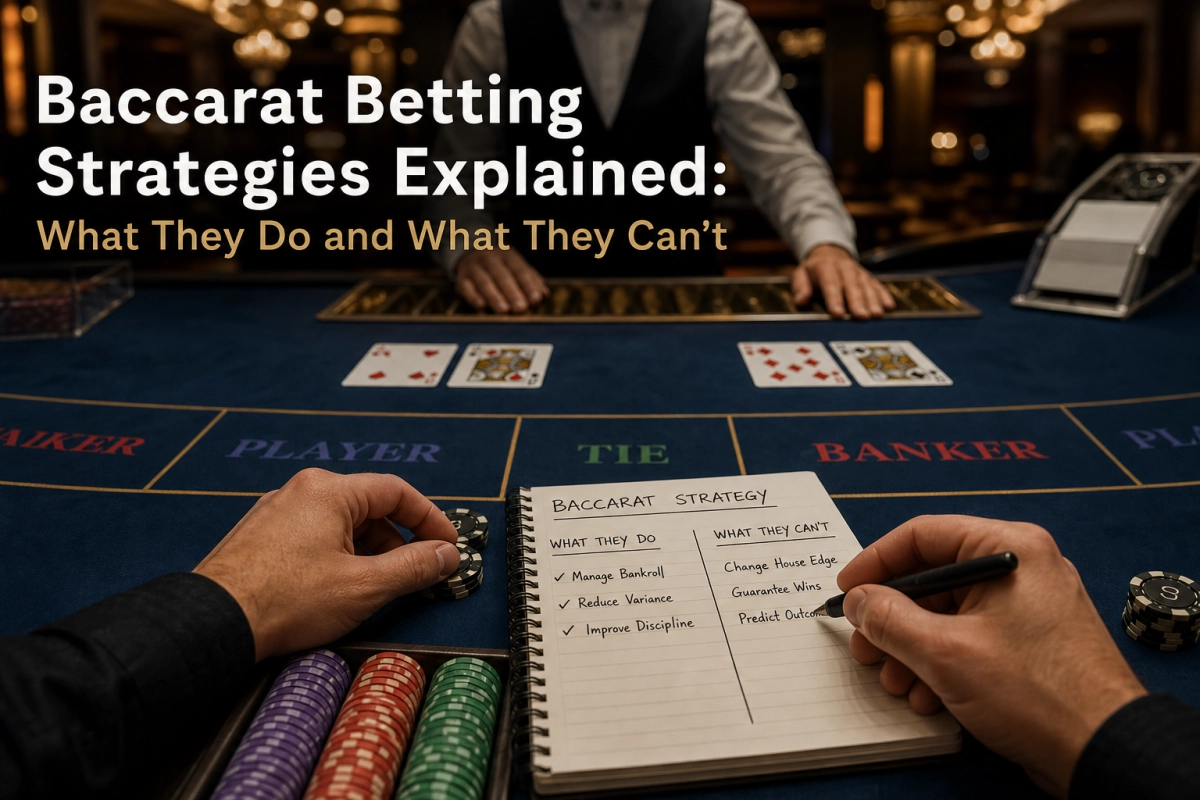
How betting shapes every poker hand and why you should care
When you sit at a poker table, the cards are only half the story. The other half is betting: the sequence of bets, calls, raises, and folds that create the pot and force decisions. Understanding these actions—what they are, when to use them, and how they affect other players—is the first step to playing confidently. This section explains how each action works and the basic rules that govern betting rounds so you can follow the action and participate correctly.
What a betting round looks like and who acts when
In most poker variants (like Texas Hold’em and Omaha), play is divided into betting rounds. Each round starts at a defined position (often just to the left of a marker called the dealer button) and proceeds clockwise. You’ll encounter these typical elements:
- Forced bets: Small blind and big blind (or antes) seed the pot before cards are dealt.
- Action order: The player to the left of the blinds or dealer acts first; thereafter, action moves clockwise.
- Round completion: A betting round ends when every active player has either matched the highest bet (called), folded, or when betting is capped by an agreed limit.
Knowing the order of action matters because it affects whether you can raise, and how much information you have about opponents’ intentions.
Essential betting actions: bet, call, raise, and fold
Here’s what each action means in plain terms and when you’d typically use it:
- Bet: You put chips into the pot when no one else has opened the betting. Use a bet to build the pot with a strong hand or to bluff and make others fold.
- Call: You match the current highest bet to stay in the hand. Calling preserves your chance to improve while controlling pot size compared with raising.
- Raise: You increase the current highest bet. Raising achieves two things: it commits more chips when you have a strong hand and puts pressure on opponents’ decisions.
- Fold: You surrender your cards and any chance to win the pot when you don’t want to match the current bet. Folding limits further losses in a hand you consider unlikely to win.
Practical rules to remember: when you raise, you must put enough chips to at least meet the minimum raise amount; when you call, you must match the exact current bet; and when you fold, you take no further part in that hand.
Simple tips to avoid common betting mistakes
As a beginner, avoid these frequent errors: act out of turn, accidentally expose your cards, or commit chips without a clear intention. Use clear verbal declarations—say “call,” “raise,” or “fold”—and slide your chips forward neatly so the dealer and other players can see your action. If you’re unsure about the minimum raise or the current bet size, ask the dealer before you act.
Next, you’ll walk through turn-by-turn examples of betting rounds and see how different actions change the hand’s outcome, including sample chip counts and permitted raise sizes.

A step-by-step example: a hand from preflop to river
Seeing the actions play out makes the rules clearer. Here’s a typical no-limit Texas Hold’em hand with simple numbers so you can follow the math and decisions.
- Blinds: $1/$2. Six players. Hero (on the button) and two opponents in the hand after the flop. Stacks: everyone has $100.
- Preflop: Under-the-gun folds. Middle position opens to $6. Cutoff folds. Hero on the button calls $6 (a speculative call). Small blind folds. Big blind calls $6. Pot = $1 + $2 + $6 + $6 + $6 = $21 (including blinds).
- Flop: The dealer puts three cards face up. Hero has a flush draw. The big blind checks. Middle position bets $12 (about half the pot). Hero must decide: call $12 to see the turn, raise, or fold?
Key factors: Hero’s flush draw has about 9 out of 47 cards on the turn (roughly 19% to hit by the river; about 35% chance to hit by the river). If Hero calls $12 into a $33 pot (current pot after the bet: $21 + $12 = $33), the immediate pot odds are $12 to win $33 (i.e., you need ~26% equity to make a profitable call right now). Because the flush draw gets additional outs on the river, calling is often correct here rather than folding.
Hero calls the $12. Big blind folds. Pot = $33 + $12 = $45. Turn comes a blank. Middle position bets $25. Now Hero faces $25 into $45 (pot odds: you must call $25 to win $45, needing about 36% equity). With only a single draw left to hit on the river (~19%), calling becomes marginal — folding is reasonable, or you can raise as a semi-bluff to try to take the pot now. If Hero calls and hits the flush on the river, the pot becomes large and the previous commitments make further raises costly for opponents.
This example shows how bet sizes, pot odds, and the number of cards to come combine to guide a call/raise/fold decision. Always calculate the immediate pot odds and also consider implied odds (what you could win on later streets) and reverse implied odds (what you could lose if you make a second-best hand).
How raise sizing and pot odds shape your choices
Raise size is a powerful tool. A small raise exerts pressure cheaply and can entice calls, while a large raise builds the pot and narrows the field. In no-limit poker, basic practical sizing guidelines work well for beginners:
- Preflop open-raise: 2.5–3 times the big blind in full-ring games; smaller in late position or short-handed.
- Continuation bet on the flop: roughly 40–70% of the pot depending on board texture and number of opponents.
- Larger bets (70–100% of the pot) are useful when you want folds or maximum value; smaller bets (20–40%) can be used for blocking or when multiple players are still involved.
Always compare a bet size to the pot when deciding to call. Example: facing a $20 bet into $40 (you must call $20 for a $60 pot) gives you pot odds of 3:1, so you need ~25% equity to call profitably. If your hand’s chance to improve is lower than the required equity, folding is usually the best play.

All-in rules, side pots, and handling irregularities
When a player doesn’t have enough chips to call a bet, they can go “all-in” for their remaining chips. That player can only win the amount they contributed from each opponent — the rest goes into a side pot contested by the remaining better-stacked players. Dealers create separate side pots automatically; you don’t need to calculate them yourself, but understand the principle: multiple pots can exist in one hand.
Also be aware of common irregularities: a string bet (adding chips in multiple motions) should be declared as a single raise amount; acting out of turn can be penalized or force you to forfeit certain actions; and exposed cards or verbal declarations can affect the action. When in doubt, stop and ask the dealer — clarity beats confusion at the table.
Practice the decisions you read about here in low-pressure environments: friendly games, free online tables, or apps that let you play for play money. Keep a simple notes file of hands you found tricky and review them later—over time the math and the instincts will become second nature. Respect the dealer and other players, ask questions when rules or irregularities arise, and never be afraid to fold when unsure; preserving your stack is a valid and often wise decision.
Next steps for new players
Start small, focus on one element at a time (bet sizing, pot odds, or reading opponents), and gradually build experience. Manage your bankroll conservatively, study hands after sessions, and use official resources when you need clarification on rules or tournament procedures. For a reliable rules reference, see the official WSOP rules.
Frequently Asked Questions
How do I quickly calculate pot odds at the table?
Divide the cost of the call by the total pot after the call to get the fraction you must win (or convert to a percentage). Example: calling $12 into a $33 pot means $12 / ($33 + $12) = $12 / $45 ≈ 26.7%, so you need about 27% equity to make the call profitable.
What exactly happens when a player goes all-in with fewer chips than the bet?
When a player goes all-in for less than a full bet, the dealer creates a main pot that includes the all-in player’s contribution matched by each opponent, and one or more side pots containing additional chips wagered by players who still have chips left. The all-in player can only win the main pot; side pots are contested only among players who contributed to them.
How large should my raises be before the flop in a typical six- to nine-player game?
A standard open-raise in full-ring (six to nine players) games is about 2.5–3 times the big blind. Raise sizes can be smaller in late position or in short-handed games. Adjust your sizing for stack depths and table dynamics: larger raises punish loose callers, smaller raises can be used to conserve chips or invite action.