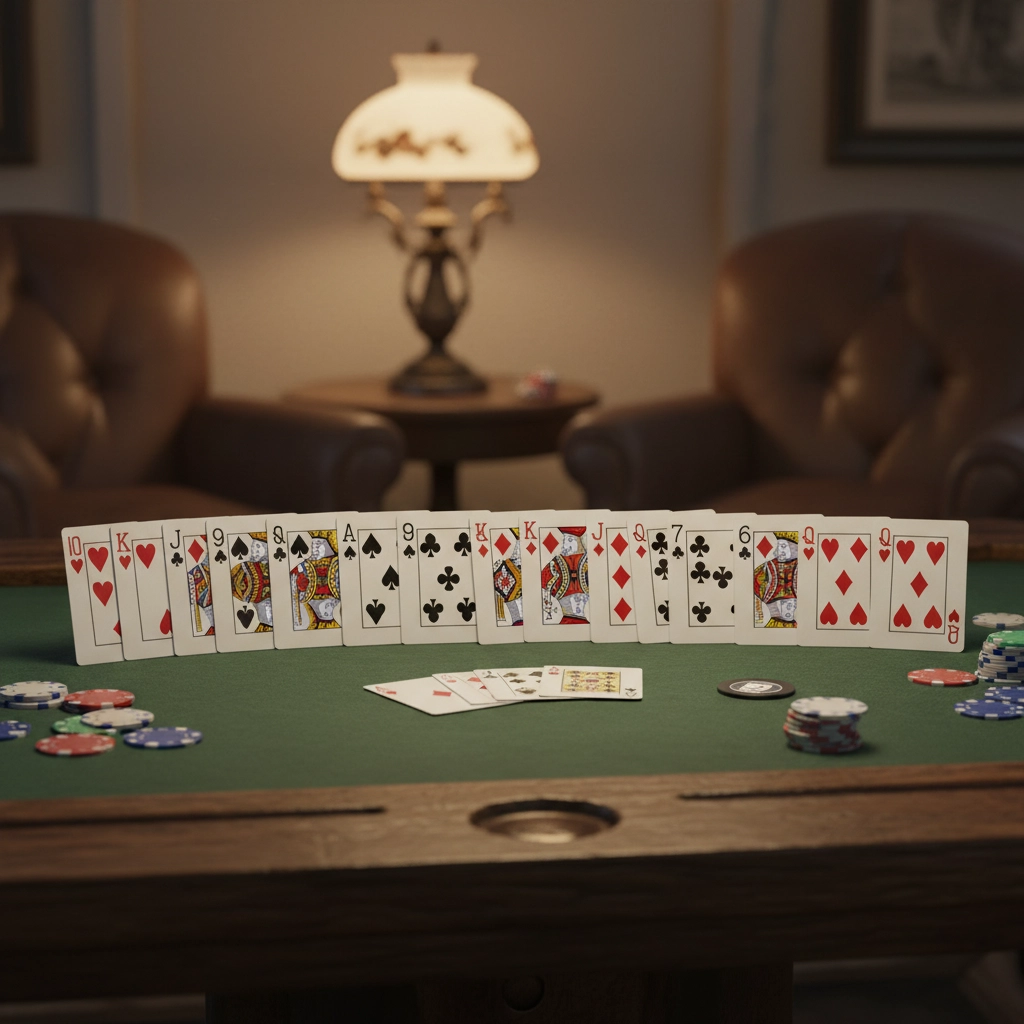

What you need to know at the table before you sit down
When you first play poker, simple rule misunderstandings can cost you chips and confidence. You don’t need to memorize every advanced strategy to enjoy the game, but you do need a reliable grasp of basic mechanics and etiquette. Knowing how blinds, the dealer button, betting order, and showdown procedures work will keep you from making avoidable errors and drawing unwanted attention from more experienced players.
Start by observing a round or asking the dealer a quick question about local house rules. Every room or club may have slight differences—how the button moves, whether the dealer deals for cash games, or how tipping is handled—so clarifying these small points prevents confusion when action begins.
Common rule-related mistakes beginners make and how to avoid them
Many beginners make the same predictable mistakes. Below are the most frequent rule errors, why they matter, and exactly what you should do instead.
1. Acting out of turn or unclear declarations
- Mistake: Speaking, nudging chips, or folding while it’s not your turn. This can influence other players and lead to penalties.
- Why it matters: Acting out of turn can change the action and invalidate betting decisions: the integrity of the betting order is crucial.
- What to do: Wait for your turn. Make clear, verbal declarations like “call” or “raise to X” and push chips forward in one motion. If you accidentally act out of turn, announce it immediately.
2. Misunderstanding bet types and chip handling
- Mistake: Making a “string bet” (adding chips in separate movements) or counting chips incorrectly and putting an ambiguous amount into the pot.
- Why it matters: String bets can be treated as multiple actions and are often ruled invalid. Ambiguous chip amounts create disputes about the size of a bet or raise.
- What to do: Stack the exact amount and push it forward once, or state the amount before pushing (“I raise to 50”). Keep chips visible and neat to avoid miscounts.
3. Exposing or mucking cards improperly
- Mistake: Accidentally showing your hole cards or throwing them into the muck before the showdown.
- Why it matters: Exposing cards can give opponents information and might be penalized; mucking prior to a required showdown forfeits your claim to the pot.
- What to do: Protect your hand with one card overlapping the other and only reveal them when you intend to show at showdown. If your cards fall, pick them up and keep them private unless the dealer requests otherwise.
These guidelines let you play with fewer interruptions and fewer disputes. Next, you’ll learn how to handle betting errors, read pot odds at a glance, and practice simple habits that prevent costly mistakes in live and online play.

Handling betting errors and disputes at the table
Mistakes happen — a misclick online, a verbal slip, or putting an ambiguous stack forward in live play. How you respond calmly and clearly often matters more than the error itself.
– Speak up immediately: If you notice you bet the wrong amount or acted out of turn, announce it right away. Silence can be interpreted as acceptance of the action. Politely call the dealer over in a live game or use the chat/hand-history feature online to flag the issue.
– Know the dealer’s authority: Dealers and floor managers enforce the rules. If a dispute arises, let the dealer/floor resolve it rather than arguing with other players. Most rooms will call a floor for ambiguous or large-stakes situations.
– Common rulings to expect:
– Misstated bet: If you say “raise to 100” but push a different amount, the dealer may oblige the verbal declaration—this varies by house rules, so check before you play.
– Called out-of-turn: If a player acts out of turn, the action usually stands for immediately preceding players only; later players may be restricted from raising. Don’t try to take advantage of the mistake.
– Misdeal or exposed card: Dealers will often declare a misdeal if significant cards are exposed or if the deck is fouled; in that case the hand is redealt.
– Protect yourself: Keep a clear, audible record of your intentions. Saying “call” or “raise to X” before pushing chips removes ambiguity. Count chips slowly and keep them neatly stacked so the dealer can see amounts.
– Handling a showdown dispute: If your opponent mucked and you believe your hand should have been shown, remain calm and call the dealer. If the hand is already awarded, the floor may not reverse decisions unless there’s clear evidence of error or collusion.
A composed, rule-aware approach reduces the chance of escalation and keeps the game moving.
Quick ways to estimate pot odds and count outs
You don’t need a calculator to make sound decisions — learn a few quick mental tools.
– Count your outs: Outs are cards that improve your hand (e.g., you have four clubs on the flop, nine remaining clubs in the deck = 9 outs). Be honest — don’t count cards that give an opponent a better hand.
– The Rule of 2 and 4: Multiply your outs by 2 for the turn-only chance, or by 4 for both turn and river combined to get a rough percentage of hitting. Example: 9 outs × 4 ≈ 36% to hit by the river.
– Compare to pot odds: Convert the pot odds to a percentage (for simple math: if the pot is 100 and it costs you 25 to call, you’re getting 4:1 or about 20% equity needed). If your chance to hit (from the Rule of 2/4) exceeds the required percentage, the call is mathematically justified.
– Practical rounding: Round conservatively — if you calculate 19% required and you estimate 20–22% chance, proceed with caution. Also factor in implied odds (future bets you can win) when calling against draws.
Practice these quick calculations in low-stakes hands until they become instinctive.

Simple habits that prevent costly beginner mistakes
Small routines protect chips and reputation.
– Always protect your hand with a card and keep chips tidy.
– Use short, clear words for actions and avoid table talk that could be interpreted as advice or angle-shooting.
– Track stack sizes and adjust bet sizing so other players can read your actions easily.
– Practice bankroll discipline: don’t play stakes where a single misplay costs a significant portion of your buy-in.
– Review hands after sessions — note repeated errors (calling too often, folding top pair) and work on one thing at a time.
These habits make you a safer, more respected player and accelerate your improvement more than memorizing tricky plays.
Moving forward: practice, respect, and steady improvement
Being a better poker player is mostly about small, consistent steps: play deliberately, keep good habits at the table, and treat other players and staff with respect. Focus on building routines (protecting your hand, clear verbal actions, tidy chips), practicing quick math for outs and pot odds, and reviewing errors calmly after each session. Use low-stakes games to test adjustments and don’t be afraid to ask the dealer or floor for rule clarifications when unsure. For a reliable reference on house and game rules, consult a trusted source such as Comprehensive Poker Rules.
- Play low-stakes or free games to practice without pressure.
- Review one specific leak after each session (e.g., calling too often).
- Use the Rule of 2 and 4 for quick draw math until it’s automatic.
- Stay courteous — etiquette prevents disputes and keeps the game fair.
- Keep a session log: hands, mistakes, and one concrete improvement goal.
Frequently Asked Questions
What should I do if I act or bet out of turn?
Speak up immediately and call the dealer or floor. In live games, the action often stands for players who acted before you; later players may be limited from making further raises. Don’t try to take advantage—let the dealer/floor make the official ruling.
How can I quickly estimate pot odds and decide whether to call?
Count your outs, then use the Rule of 2 and 4: outs × 2 for the turn, outs × 4 for turn+river to get an approximate percentage. Compare that to the pot odds (cost-to-call versus pot size). If your chance to hit is higher than the required percentage, the call is usually justified—also consider implied odds and opponent tendencies.
What are the simplest habits to prevent beginner mistakes?
Protect your hand with a card, keep chips neatly stacked, use short clear words for actions (call, raise to X, fold), manage your bankroll so stakes aren’t crippling, and review hands after sessions to correct recurring errors. These habits reduce accidental fouls and improve decision-making.