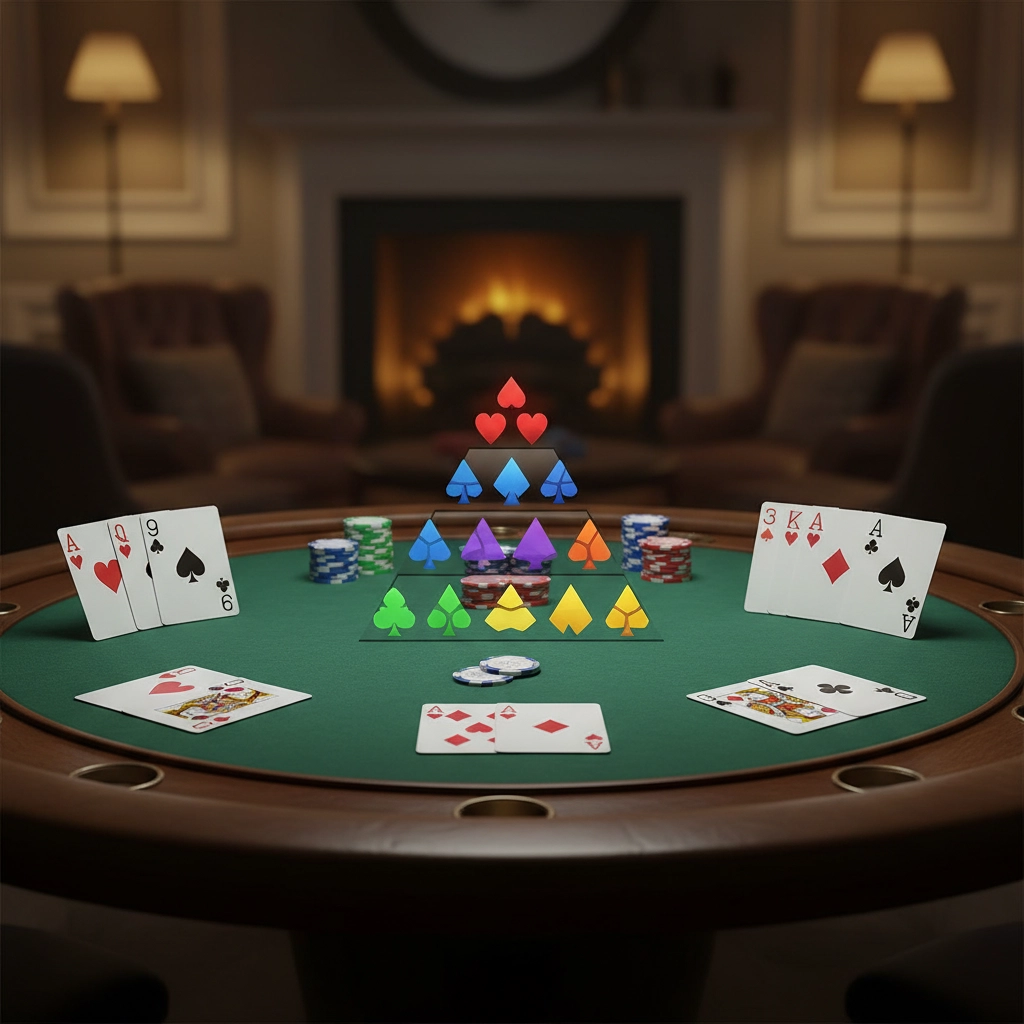
You enter a casino driven by evolved reward circuits and cognitive biases that steer decisions; this guide examines how intermittent reinforcement and design cues create powerful engagement, why addiction risk arises from near-misses and variable rewards, and how understanding these forces can enhance responsible play and maximize entertainment value while mitigating harm.
Understanding Gambling Behavior
Behavior in casinos reflects a mix of variable-ratio reinforcement, engineered game speed and atmosphere, and cognitive distortions like the gambler’s fallacy. Games carry a measurable house edge (often 0.5-5%), and neurobiology ties dopamine bursts to anticipation, driving persistence. Epidemiological estimates place those meeting clinical criteria for gambling disorder at roughly 1% of adults, while many more suffer related harms, so game design and policy choices markedly shape who escalates play.
Psychological Types of Gamblers
Profiles range from casual, social players to those driven by escape, sensation-seeking, or strategic motives; roughly 60-80% of adults who gamble do so recreationally, while around 1-3% exhibit problem-level behavior. Casino staff and clinicians distinguish patterns-time spent, bet sizing, emotional triggers-to tailor responses. This typology informs targeted prevention, regulation, and treatment approaches.
- Recreational
- Problem/Compulsive
- Escape-seeker
- Thrill-seeker
- Strategic/Professional
| Recreational | Occasional, social play, low financial risk |
| Problem/Compulsive | Persistent losses, impaired control, high harm |
| Escape-seeker | Uses gambling to avoid stress or mood disorders |
| Thrill-seeker | High arousal motives, rapid bets, sensation-driven |
| Strategic/Professional | Skill-focused, bankroll management, lower emotional volatility |
Factors Influencing Gambling Decisions
Decision-making reflects immediate reward salience, odds framing (RTP percentages), and social cues: studies show near-miss effects can boost persistence by ~20-30% in lab settings, and visible wins at a table alter risk-taking. Casinos exploit lighting and tempo to reduce time perception, while individual differences in impulsivity and mood predict bet escalation. Thou must weigh how design, math, and psychology converge when evaluating player choices.
- Near-miss
- Odds/RTP
- Environment
- Impulsivity
- Social influence
Experimental and field data show that structural features-spin speed, reward schedules, loyalty offers-increase session length and expenditure; for example, faster slot cycles can raise plays per hour from ~200 to 400, amplifying losses. Behavioral economics demonstrates framing effects: presenting outcomes as small frequent wins masks aggregate losses and encourages chasing. Thou should consider these mechanisms when designing safeguards or interpreting player behavior.
- Spin speed
- Reward schedule
- Loyalty incentives
- Outcome framing
- Emotional state
The Gambling Environment
Ambient cues on the gaming floor-lighting, sound, scent and layout-intentionally shape attention and decision speed, producing measurable shifts in risk-taking and session length. Casinos remove time cues like clocks and windows and use variable sensory rewards to sustain engagement; combined with game math such as slot RTPs and house-edge differentials, these environmental levers convert brief curiosity into prolonged play and larger cumulative losses.
Casino Design and Its Impact
Floor plans funnel foot traffic past high-margin machines, while lighting, music tempo and free-drink policies increase arousal and reduce deliberation. Designers exploit no clocks or windows and sensory monotony to extend sessions; game math matters too-slot RTPs typically range from 85-98%, roulette house edge is 2.7% (single-zero) or 5.26% (double-zero), and blackjack can be under 1% with basic strategy, making time-on-device a direct predictor of losses.
Social Influences on Gambling
Group dynamics and observational cues powerfully alter risk preferences: seeing others win creates a availability bias, cheering crowds normalize higher stakes, and peer comparison speeds wagering. Social gambling settings-craps pits, sports-betting bars, betting pools-amplify both excitement and error rates; problem-gambling prevalence estimates typically fall between 0.5-3%, highlighting the danger of social reinforcement for vulnerable players.
Mechanisms include social facilitation (performance shifts when others watch), normative influence (conforming to group betting norms) and vicarious reinforcement (modeling observed wins). Casinos design open-table layouts so players observe jackpots and near-misses, which inflate perceived win probabilities; in practice, communal games often show larger average bets and faster turnover than isolated machine play, increasing both revenue and player harm.
Tips for Responsible Gambling
Practical steps reduce harm: set a bankroll, schedule sessions, and use operator tools like deposit limits and self-exclusion. Clinical evidence links these features to reduced losses, and operators typically allow daily/weekly/monthly caps. Aim for objective markers-for example, keep play under 2% of monthly discretionary income-and avoid gambling when impaired. Perceiving early warning signs lets you act before behavior escalates.
- Set a bankroll and stick to it
- Use time limits (e.g., 60-90 minute sessions)
- Enable deposit blocks or self-exclusion on sites/apps
- Avoid gambling under the influence of alcohol or drugs
- Seek support from friends, family, or helplines when patterns change
Setting Limits and Sticking to Them
Define measurable limits: cap deposits (for example, $50-$200/week), set session durations (60-90 minutes), and use site or bank tools to enforce them. Tell a trusted person your limits for accountability and log play outcomes weekly to detect drift. When temptation rises, pause for 24-48 hours before altering any limit; that cooling-off period reduces impulsive raises and loss-chasing.
Recognizing Signs of Problem Gambling
Look for escalation patterns: chasing losses, borrowing money, hiding activity, missed work, or strained relationships. Population studies estimate about 1% meet criteria for gambling disorder and another 2-4% are at risk, so even small behavioral shifts warrant attention. Early detection enables practical interventions.
Illustrative example: a 34-year-old who increased stakes from $20 slots to $500 online bets within six months, then missed rent and borrowed from friends-this progression mirrors common trajectories from casual play to disorder. Brief screening questions that probe preoccupation, failed attempts to stop, and financial consequences can flag risk quickly. Immediate responses include self-exclusion, bank-imposed transaction blocks, contacting support groups (e.g., Gamblers Anonymous), and evidence-based therapy like CBT, which has been shown to reduce urges and relapse; combining financial controls with social accountability yields the fastest harm reduction.
Step-by-Step Guide to Analyzing Casino Behavior
Step-by-Step Checklist
| Step | What to measure / Example |
|---|---|
| Track sessions | Log date, duration, stakes-e.g., 60 sessions, avg 2 hours |
| Calculate losses per hour | Use coin-in × house edge; $5×600 spins/hr= $3,000 coin-in → 6% hold = $180/hr |
| Identify triggers | Note time of day, alcohol, stress; link spikes to specific triggers |
| Assess game choice | Compare house edge: blackjack ~0.5% (basic play) vs slots 5-10% |
| Set limits | Deposit, session loss, time limits; review after 30 days for patterns |
Assessing Personal Gambling Habits
Track money, time, and emotional state for at least 30 days; for example, logging 20 two‑hour slot sessions at $5/spin shows a potential $180/hr expected loss with a 6% hold, which exposes how fast losses mount. Note if sessions start after alcohol or late nights and flag chasing losses or increased stake sizes as dangerous behavioral red flags.
Developing a Gambling Strategy
Set a bankroll plan (e.g., risk 1-2% per session), choose lower‑edge games, and apply proven tactics-blackjack basic strategy cuts house edge to ~0.5%, while avoiding high‑variance bets reduces volatility. Use session loss limits, treat comps as bonuses not income, and check bonus playthroughs (often 10-30×) before accepting offers.
For example, with a $1,000 bankroll cap a 2% session loss limit equals $20; combine that with game selection-play blackjack or video poker with >95% RTP-and run 30‑day outcome reviews. Be aware card counting can shift advantage but is actively policed by casinos, and aggressive chasing or frequent increases in stake size are the most dangerous behaviors to curb.
Pros and Cons of Gambling
| Pros | Cons |
|---|---|
| Entertainment value and leisure activity | Addiction risk and loss of control |
| Significant job creation for local economies | Household financial losses and debt |
| Tax revenue funding public services | Increased demand on social and health services |
| Skill-based competition (poker, sports betting) | Built-in house edge ensures long-term losses |
| Tourism draw and ancillary business growth | Potential for fraud, money laundering, organized crime |
| Social interaction in casinos and clubs | Relationship breakdowns and social isolation |
| Promotions, loyalty programs, events | Marketing can target vulnerable players |
| Regulation and responsible-gambling tools exist | Online 24/7 access raises compulsive-play risk |
Benefits of Casino Entertainment
Casinos provide curated leisure: live shows, dining, and tournaments such as the World Series of Poker, which awards multi‑million dollar prizes and draws global audiences. Many patrons cite social bonding and excitement as primary motives; casinos also create substantial employment-large resorts commonly employ thousands-and contribute material tax revenue that supports local infrastructure and services.
Risks and Downsides of Gambling
Gambling disorder affects roughly about 1% of adults, with another 2-3% at elevated risk; the economic reality is stark because games like roulette (European house edge ~2.7%, American ~5.26%) and slot machines (typical payback 85-98%) favor the house. Consequences range from mounting debt and bankruptcy to increased rates of anxiety, depression, and family disruption.
Behavioral mechanisms drive harm: variable‑ratio reinforcement, near‑miss effects, and rapid electronic play foster persistent wagering. Online platforms compound exposure by offering 24/7 access, credit options, and targeted promotions; self‑exclusion and limits help but show mixed long‑term effectiveness. Clinical studies consistently link problem gambling with comorbid substance use and mood disorders, and public‑health interventions-screening, brief interventions, and funded treatment-reduce harms when properly implemented.
Future Trends in Gambling Psychology
Technological innovations, expanding markets and shifting player profiles are reshaping gambling psychology. The global online gambling market, estimated at about $66-70 billion in 2021 and projected to exceed $100 billion by 2026, fuels more frequent, micro-staked play. Operators such as DraftKings and Bet365 use AI-driven personalization to tailor offers and increase retention, while VR/AR and loot-box mechanics blur lines between gaming and wagering. That increased accessibility contributes to a higher risk of problem gambling, estimated at roughly 1-3% of adults in many jurisdictions.
Technological Advances and Their Impact
Mobile platforms now generate over 60% of online gambling revenue, accelerating impulsive play through one-touch deposits and push notifications. Real-time behavioral analytics enable targeted incentives-deposit bonuses or autoplay prompts-while VR casinos aim for immersive experiences that prolong sessions. Loot boxes and microtransactions in mainstream games create cross-over pathways for young players. Some regulators require algorithm audits and mandatory intervention triggers, but enforcement remains inconsistent.
Changing Demographics and Gambling Preferences
Younger cohorts (18-34) are driving demand for esports betting, daily fantasy and social casino games, with participation in skill-based formats rising by more than 30% in recent years. Older adults still prefer live casinos and electronic slots, creating divergent marketing and harm profiles. Operators respond with segmented products and messaging, while public health experts note that prevention must adapt to platform preferences and younger users’ higher digital literacy.
Casinos and operators are altering product mixes: brick‑and‑mortar venues add mobile-friendly loyalty apps and skill-based cabinets, while operators partner with esports teams to reach Gen Z. Data show users aged 18-24 are more likely to discover wagering through video platforms and influencers; one study found influencer-linked promotions increased sign-ups by up to 20% for certain operators. That shift demands new harm-reduction tactics-age-verification tech, influencer advertising guidelines and in-app spending limits-to address heightened exposure among younger, digitally native cohorts.
Summing up
Considering all points, gambling behavior arises from reinforcement schedules, cognitive biases like the illusion of control and selective memory, and neurochemical rewards that reinforce intermittent wins. Environmental design and social context amplify risk-taking, while misconceptions about odds sustain play. Understanding these mechanisms supports better prevention, informed policy, and more effective interventions to reduce harm.
FAQ
Q: Why do people keep gambling even after repeated losses?
A: Gambling taps into powerful learning and reward systems. Variable-ratio reinforcement – where rewards occur unpredictably – produces high rates of persistent behavior because the brain releases dopamine in response to unexpected wins and near-misses. Cognitive biases amplify persistence: the gambler’s fallacy makes sequences of losses feel “due” for a win, the sunk-cost fallacy motivates continued play to justify past losses, and illusion of control leads people to overestimate their influence on random outcomes. Emotional factors such as heightened arousal, stress relief, social reinforcement, and transient optimism also reduce sensitivity to losses. Over time dissociation and time distortion can make players lose track of spending, further entrenching continued play despite negative returns.
Q: How do casino design and game mechanics influence gambler behavior?
A: Casinos and game designers deliberately shape environments and mechanics to increase engagement. Sensory elements – bright lights, ringing sounds, warm colors, and constant stimulation – heighten arousal and mask time and money cues (no clocks or windows). Game mechanics exploit psychological effects: near-misses feel like almost-wins and sustain motivation; variable payouts and fast play rates maximize reinforcement frequency; “losses disguised as wins” (small payouts framed as wins) create positive feedback even when players lose money. Layout and service strategies – easy access to refreshments, free play comps, loyalty programs, and social clustering – encourage longer stays. Frictionless payment options and credit facilities reduce the salience of spending, and personalized marketing targets known vulnerabilities to prompt return visits.
Q: What practical steps reduce harm from gambling and improve self-control?
A: Effective harm-reduction combines behavioral strategies, planning tools, and treatment when needed. Concrete measures: set strict time and money limits before play and use precommitment tools or self-exclusion programs; avoid gambling under the influence of alcohol or strong emotions; use cash rather than cards and leave credit/debit at home; track losses in real time and calculate expected value to counter optimism bias. Cognitive-behavioral therapy can address distortions like the gambler’s fallacy and develop alternative coping strategies. Support groups, financial counseling, and blocking software on devices add layers of protection. For severe problems, seek professional treatment early to prevent escalation and restore financial and emotional stability.