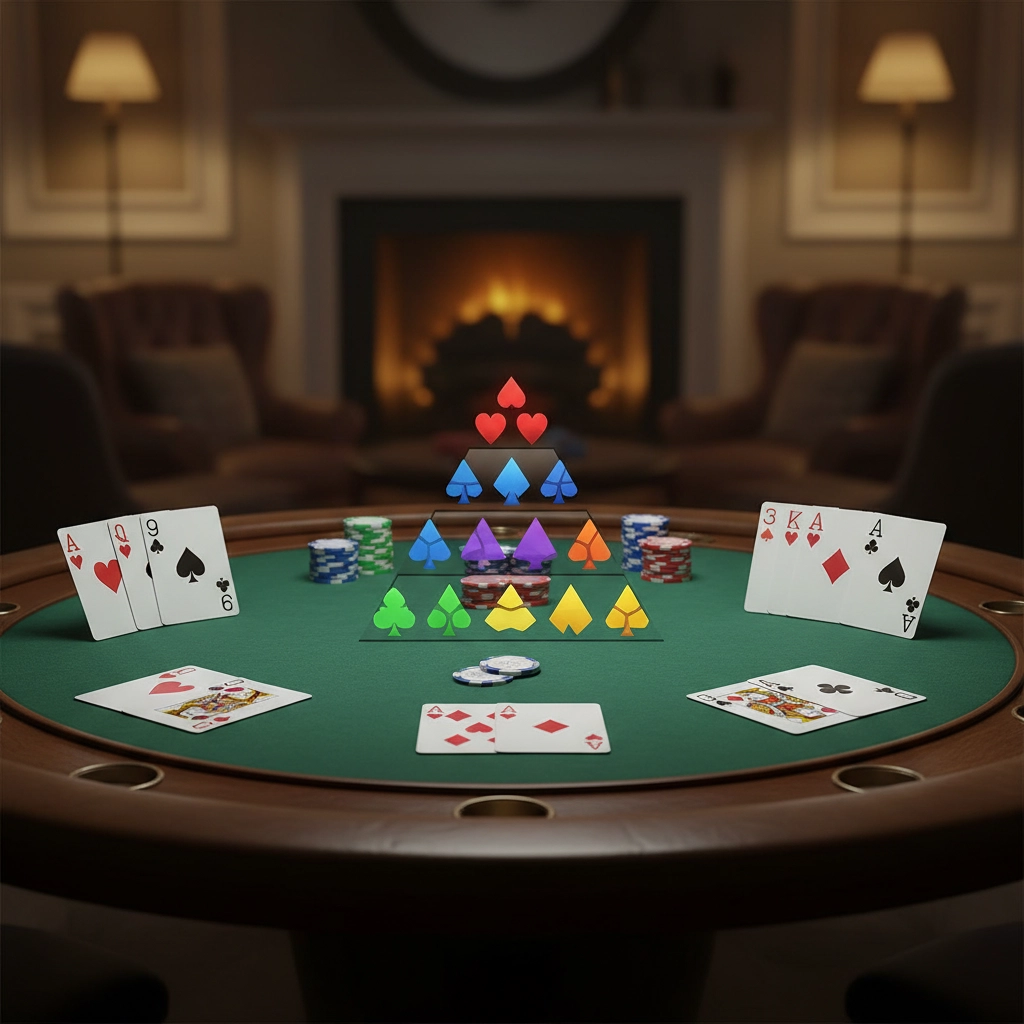
Many players facing high-stakes blackjack rely on disciplined routines to maintain an edge; develop a pre-game ritual, practice breath control and a proven basic strategy, set strict bankroll limits and session stop-losses, and avoid emotional decisions that invite the danger of large losses. Stay observant, focus on odds not outcomes, and use short breaks to reset so you preserve capital and composure while making smarter plays.
Understanding Blackjack
Blackjack is a game of probabilistic decisions where rule tweaks shift the house edge from roughly 0.2% (player-friendly rules) to over 2% (unfavorable rules). Payouts like 3:2 vs 6:5, whether the dealer stands on soft 17, deck count (single vs 6-8 decks) and penetration govern expected value; applying basic strategy lowers the edge to ~0.5%, while disciplined card counting can swing advantage by ~1-2% with appropriate bet spreads.
Types of Blackjack Games
Variants alter optimal play and variance: single-deck tables often offer better payouts but stricter rules, multi-deck (6-8 decks) shoes are standard in high limits, European blackjack removes the hole card affecting insurance and surrender math, Spanish 21 uses 48 cards with bonus payouts, and Blackjack Switch changes hand management. House-edge examples: single-deck S17 with 3:2 ≈0.5%, 6-deck S17 ≈0.6-0.8%, Spanish 21 can be player-favorable when bonuses apply. Perceiving game type differences helps pick tables for high-stakes play.
- Single-deck – typically tighter rules, lower variance
- Multi-deck (6-8 decks) – common in high limits, affects counting
- European – no hole card, changes surrender/insurance EV
- Spanish 21 – 48 cards, bonus payouts can favor players
- Blackjack Switch – hand-switching alters strategy and edge
| Single-deck | Commonly 3:2 payout, S17/NH less common; edge ≈0.3-0.7% |
| 6-deck shoe | Standard in casinos; edge ≈0.5-0.8% depending on rules |
| European | No hole card; dealer delay affects insurance and surrender EV |
| Spanish 21 | 48-card deck, bonus rules can reduce house edge or create swings |
| Blackjack Switch | Switching hands adds variance; rule adjustments offset player benefits |
Key Factors in High-Stakes Games
High-stakes sessions hinge on deep bankroll, table limits, deck penetration, bet spread and tilt control because variance scales with stake size; for example, a $50,000 bankroll changes acceptable bet sizes versus $5,000. Skilled counters seek ≥65% penetration on a 6-deck shoe; casinos often monitor large spreads above 1:20. After aligning bankroll, table limits and bet spread, you can better absorb large-standard-deviation swings inherent to high-stakes play.
- Bankroll – depth determines sustainable bet sizing
- Table limits – cap maximum edge exploitation
- Deck penetration – deeper penetration improves counting accuracy
- Bet spread – wider spreads increase EV but raise detection risk
- Tilt control – psychological resilience reduces poor decisions
Deeper details matter: counting can yield ~+1% EV per true-count unit but requires spreads like 1:10-1:50 depending on casino tolerance; variance remains high, with session swings easily in the tens of buy-ins at large stakes. Examples: a 6-deck shoe at 75% penetration gives more reliable counts than 50% penetration; pits may ask for funds proof at $5,000+ tables or cap comps. After prioritizing disciplined betting, table selection and behavioral control, detection risk and tilt-induced losses are minimized.
- Counting EV – roughly +1% per TC unit, dependent on penetration
- Variance – expect larger standard deviation; plan bankroll accordingly
- Operational risks – surveillance, flat-betting, proof-of-funds at high limits
- Comps & etiquette – negotiate comps; maintain professional behavior
- Post-session review – analyze hands, spreads, and emotional control
Tips for Staying Calm
Short pre-hand rituals – 30 seconds of diaphragmatic breathing and a quick scan of table limits reduce arousal before high-stakes hands; enforce a 1-2% bankroll unit size to prevent impulsive overbets. Thou use a simple physical cue (tap wrist or flip a coin) to reset and sustain calm and focus.
- Breathing: 4‑4‑4 box breaths for 60-90 seconds
- Bankroll rule: cap bets at 1-2% of roll
- Time-outs: 5-minute breaks after 15 hands or big loss
- Nutrition: water + 10-20g protein, avoid sugar crash
- Warning: avoid emotional tilt and chasing losses
Mental Preparation Techniques
Spend 10 minutes pre-session on visualization: rehearse 5 critical decisions (hard/soft totals, splits) and simulate pressure by timing responses to 100 practice hands; pros often drill 200 hands to automate blackjack basic strategy, cutting decision time and lowering mistakes under stress.
Physical Strategies for Focus
Use paced breathing (5-6 breaths/min for 2-3 minutes), a short neck/shoulder microstretch between shoes, and maintain upright posture to preserve blood flow and attention; keep caffeine to a single 100-200 mg dose if tolerated and prioritize water to avoid dehydration-induced fatigue.
Further refine posture with feet shoulder-width and core engaged, practice 60‑second pre-hand centering routines, and test caffeine timing-take 100 mg about 30-45 minutes before peak session; combine with 20-40 second eye breaks every 15-20 minutes to reduce visual strain and sustain focus across long casino sessions.
Step-by-Step Guide to High-Stakes Play
High-Stakes Workflow
| Pre-Game Preparation | Allocate a session bankroll (e.g., 20 buy-ins), verify table rules (3:2 vs 6:5), set a firm stop-loss (2-5% of session bankroll) and profit target, perform a 30s breathing routine, and confirm table limits. |
| In-Game Techniques | Use basic strategy, keep bet spread controlled (commonly 1:5-1:10), take 2-3 minute breaks every 25-50 hands, avoid alcohol, and monitor tilt signs to preserve decision quality. |
| Post-Game Reflection | Log hands, net result, hours played, peak bankroll, and tilt incidents; review for errors and adjust unit size or stop-loss based on a 30-session sample. |
Pre-Game Preparation
Before sitting, allocate a session bankroll equal to at least 20 buy-ins and set clear numerical limits: stop-loss 2-5% and a profit target (5-10%). Verify dealer rules (blackjack payout, dealer stands on soft 17, number of decks) since rule changes can swing house edge by tenths of a percent. Do a 30-second breathing warm-up, confirm table minimums/maximums, and leave phones and distractions in your bag.
In-Game Techniques
During play, follow basic strategy without deviation unless you have a documented, practiced edge; maintain a conservative bet spread (typical pro ranges are 1:5-1:10) and cap your maximum bet relative to bankroll (e.g., 3-5% of session bankroll). Take short, scheduled breaks every 25-50 hands to reset focus, refuse alcohol, and flag any creeping impatience or chasing behavior immediately.
For example, with a $50,000 bankroll set a unit at $500 and cap max bet at $2,500 (1:5 spread); if you hit a pre-set stop-loss of $1,250 (2.5%), leave for the day. Structured unit sizing like this preserves longevity through variance: sessions often swing ±5-10% even with optimal play, so conservative sizing prevents catastrophic drawdowns.
Post-Game Reflection
After the session, log date, stakes, hands played, net result, peak drawdown, and any tilt episodes; calculate hourly rate and note one technical mistake and one behavioral trigger. Compare the session to a rolling 30-session sample to spot trends-if hourly losses or repeated errors appear, adjust unit size or take a rest period before returning.
Use a simple spreadsheet with columns: date, stakes, units, hours, net, biggest win/loss, tilt level (1-5), and top three takeaways. If a pattern of increasing tilt or decreasing hourly win-rate emerges across 10-30 sessions, implement a 48-72 hour cooling-off and reduce unit size by 25% until form stabilizes.
Pros and Cons of High-Stakes Blackjack
| Pros | Cons |
|---|---|
| Higher payouts – wins scale directly with stake; single hands can return thousands. | Greater variance – short-term swings often equal multiple buy‑ins and can wipe out sessions. |
| Better comps and perks – private rooms, complimentary travel, and credit lines for VIPs. | Intense psychological pressure – mistakes cost far more under spotlight settings. |
| Skill premium – basic strategy (~0.5% house edge) and advantage play scale returns. | Casino scrutiny – counters, restricted play, or seat removal targeting advantage players. |
| Faster bankroll growth – winning streaks compound quickly at high stakes. | Faster bankroll depletion – losing runs drain funds much quicker than low stakes. |
| Professional opportunities – staking, teams, or sponsorships available at elite levels. | Higher financial exposure – credit use or loans increase risk of significant debt. |
| Exclusive environment – fewer players per table and better pace for decision-making. | Limited liquidity – finding consistent action at ideal stakes can be difficult. |
| Accelerated learning – rapid feedback speeds skill development and matrix testing. | Emotional tilt – tilt incidents at high stakes produce larger, costlier errors. |
| Higher comps value – complimentary benefits can equal hundreds to thousands per visit. | Regulatory risk – some jurisdictions clamp down on advantage play or credit offers. |
Advantages of Playing High-Stakes
Many players accept the risk because payouts and perks scale dramatically</strong: VIP tables often start at higher minimums ($100-$5,000+) and wins compound quickly; applying basic strategy reduces the house edge to about 0.5%, and top-tier comps (private rooms, travel, credit) can add thousands in value per visit.
Disadvantages and Risks
High-stakes play brings amplified variance, greater psychological strain, and increased casino attention; professionals typically maintain a bankroll of at least 100-200× their average bet to withstand swings and avoid forced exits or debt.
To quantify: at a $1,000 average bet, approximate single‑hand standard deviation is about 1.15× the bet, so over 100 hands the 1σ swing is roughly $11,500 – meaning a normal session can easily swing into five‑figure losses or gains. Casinos may counter perceived advantage play by narrowing rules, cutting comps, or refusing credit, while credit lines and loaned staking magnify personal liability; psychologically, chasing losses at these stakes frequently leads to cascading mistakes that erase any short-term edge.
Practicing Mindfulness in Gambling
Mindfulness sharpens decision-making under pressure by reducing automatic, emotion-driven plays; short daily practice of 5-15 minutes improves sustained attention, while on-table micro-routines of 30-60 seconds reset arousal between hands. Studies link focused attention training to better impulse control, and in practice many high-stakes players use simple checkpoints-breath, posture, goal reminder-to avoid the danger of tilt and costly mistakes.
Breathing Exercises
Diaphragmatic breathing and box breathing (4-4-4-4) lower sympathetic activation and slow heart rate to about 5-6 breaths per minute, a range associated with improved cognitive control. Try a 30-second pre-hand routine: inhale for 4, hold 4, exhale 4, hold 4; repeat twice before big bets. Consistent use between rounds cuts physiological arousal that often drives risky, suboptimal plays.
Visualization Techniques
Visualization primes expected responses by mentally rehearsing correct plays and emotional reactions: run a 60-90 second script where you see the dealer, the layout, your basic-strategy choice, and calmly accept both win and loss outcomes. Many pros simulate two scenarios-successful 3x payout and a 2-hand losing streak-to train how they’ll react and prevent reactive errors at the table.
To deepen this, follow a 3-step sequence: settle with two slow breaths, visualize a specific hand sequence for 45-60 seconds with sensory detail (chip feel, table sounds), then anchor with a physical cue like touching your ring or chip. Timing matters-short, repeated visualizations between sessions (totaling 3-5 minutes) improve decision speed and reduce impulsive bet-sizing. Pairing this with breath control creates a reliable on-table reset that mitigates the risk of emotionally driven play.
Resources for Further Learning
Expand study with targeted sources that combine math, simulation and real-casino examples; Edward O. Thorp’s Beat the Dealer (1962) pioneered card counting, Stanford Wong’s work refines index play, and Rick Blaine’s materials cover team tactics and bankroll rules. Apply these methods to shave the house edge to around 0.5% or lower under favorable rules, while acknowledging casinos use automatic shufflers and surveillance to mitigate advantage play.
Recommended Reading
Consult technical guides and case studies: Thorp for probability foundations, Wong for index and simulation techniques, and Ben Mezrich’s Bringing Down the House as a practical case study of MIT team operations. Also consider Rick Blaine’s guides on bankroll and team play. These books provide step-by-step examples, sample simulations and betting ramps that demonstrate how basic strategy plus counting translates into measurable edge.
Online Courses and Workshops
Choose courses that combine video lessons, timed drills and hand-by-hand simulators; platforms like Blackjack Apprenticeship provide structured curriculums and drill software, while Udemy offers short, instructor-rated modules (1-3 hours) for fundamentals. Prioritize programs with performance tracking and community feedback, since practical drills improve speed and accuracy far more than theory alone. Be aware casinos monitor betting patterns as a major risk.
Good course features include Hi-Lo drills with accuracy targets, penetration and shoe simulation, true-count conversion exercises, bankroll-sizing modules and recorded in-casino play. Expect reputable programs to offer 10-30 hours of content plus thousands of simulator hands and instructor feedback. Verify instructors’ credentials (published authors or ex-pro players) and prefer providers that publish measurable outcomes-win-rate case studies or error-rate reductions-so you can gauge ROI before committing.
Summing up
Hence adopt a structured approach: set clear bankroll limits, follow basic strategy, control breathing between hands, and avoid alcohol to preserve judgment. Prepare pre-session routines, schedule short breaks, and use table time to focus on probabilities rather than outcomes. Maintaining discipline, detaching emotionally from individual hands, and reviewing play objectively after sessions will sustain calm and sharpen decision-making under pressure.
FAQ
Q: How can I manage nerves and maintain focus during high-stakes blackjack?
A: Use short, repeatable techniques to ground yourself: take three slow diaphragmatic breaths before each decision, keep a subtle physical anchor (light fingertip press) to reset attention, and break the session into single-hand objectives rather than the whole bankroll. Slow your tempo-count to two before acting-to reduce impulsive reactions. Limit internal commentary by labeling thoughts (“anxiety,” “strategy”) and returning attention to the hand and basic strategy; visualization of calm, successful decisions between hands helps reinforce steady behavior.
Q: What bankroll and betting practices reduce pressure and help sustain focus?
A: Divide your stake into clearly defined unit sizes and only bet fixed multiples of those units; this removes on-the-spot sizing decisions and lowers stress. Set a stop-loss and a modest profit target for the session, and accept automatic adherence as a rule to avoid emotionally driven chasing. Use conservative spreads so single hands don’t swing your session, and keep a separate “play” amount so losses don’t feel like personal failure. Track bets and outcomes discreetly to keep decisions data-driven instead of mood-driven.
Q: Which table habits and environment choices improve concentration during high-stakes play?
A: Choose a seat and table with minimal distractions-sit where your back is to the room or where you can see entrances to avoid surprises. Avoid alcohol and heavy conversation; politely steer chatter back to neutral topics or decline participation. Use a basic strategy card or digital trainer practice so moves become automatic, take short breaks every 45-90 minutes to rehydrate and stretch, and maintain consistent posture and breathing to prevent fatigue. Observe dealer rhythm and table flow before committing large bets so you act from observation rather than excitement.