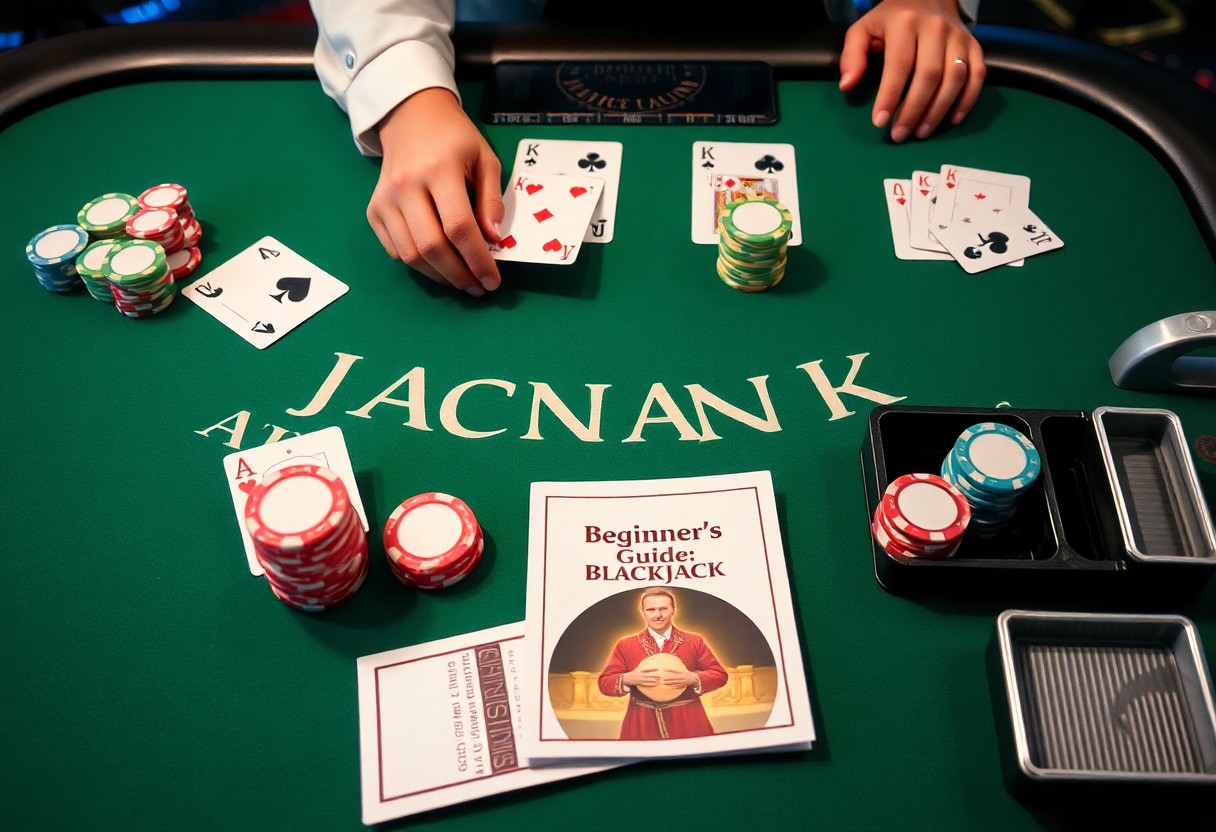
There’s no substitute for learning blackjack fundamentals; this guide teaches basic strategy, effective bankroll management, proper table etiquette, and how to avoid high-risk plays like insurance and surrender that increase the house edge, while showing how practice and discipline turn novice decisions into confident, profitable play.
Types of Blackjack
- Classic Blackjack: standard tables pay a 3:2 jackpot on naturals and follow basic strategy for low house edge.
- European Blackjack: dealer receives one card face-down and only takes the hole card after players act, affecting doubling decisions.
- Atlantic City Blackjack: typically uses 8 decks, dealer stands on soft 17 and often allows late surrender and DAS.
- Blackjack Switch: play two hands and may swap second cards, with casinos offsetting value via special dealer rules like pushes on dealer 22.
- Knowing Spanish 21 uses a 48-card deck (no 10s) and adds player-friendly bonus payouts and liberal double/surrender rules.
| Classic Blackjack | Often 4-6 decks, 3:2 on naturals, basic strategy reduces house edge to ~0.5-1% depending on rules. |
| European Blackjack | Dealer gets no hole card until players finish; this changes double-after-split and insurance math. |
| Atlantic City Blackjack | Standard: 8 decks, dealer stands S17, late surrender and DAS common, favoring skilled players. |
| Blackjack Switch | Play two hands and swap second cards; casinos balance this with rules like dealer 22 pushes. |
| Spanish 21 | Uses a 48-card deck (no 10s), offers bonus payouts and liberal player options that shift strategy. |
Classic Blackjack
Most casinos run Classic Blackjack with 4-8 decks; players value the 3:2 natural and dealer rule variations like S17 vs H17. Optimal basic strategy and proper bankroll management can cut the house edge to roughly 0.5-1%, while deviations such as insurance or splitting tens typically raise expected losses.
Variations of Blackjack
Variants change deck composition, payout, and dealer rules: Spanish 21 removes tens, Blackjack Switch allows swapping cards, and European rules alter hole-card timing. Each tweak affects expected value and which plays-doubling, splitting, surrender-are profitable in specific spots.
For example, removing tens in Spanish 21 reduces natural blackjack frequency but compensates with bonus 21 payouts and favorable doubling/surrender options; in Blackjack Switch, the ability to swap can flip bad hands into winners but casinos often introduce a dealer-22 push rule to neutralize that edge. Practical table selection means comparing rule combinations-deck count, S17/H17, DAS, surrender-to find the lowest house edge for your skill level.
Step-by-Step Guide to Playing Blackjack
| Step | What to do |
|---|---|
| Buy-in & Seat | Purchase chips, place bet inside the betting circle; typical minimums range from $5-$25 at most tables. |
| Initial Deal | Dealer gives two cards to each player and themselves (one up, one down); play proceeds clockwise, bets locked. |
| Player Decisions | Choose Hit, Stand, Double (match your bet), Split (when pair); doubling and splitting rules vary by casino-check table signage. |
| Dealer Play | Dealer reveals hole and plays last, usually hitting until 17; note some casinos require hitting a soft 17, which raises house edge slightly. |
| Payouts & Settling | Blackjack often pays 3:2; avoid tables paying 6:5. Insurance pays 2:1 but typically increases house advantage. |
Understanding the Basics
Card values are simple: 2-9 at face value, 10/J/Q/K = 10, Ace = 1 or 11. Aim to beat the dealer without exceeding 21; a two-card blackjack (Ace + 10-value) usually pays 3:2. Standard shoe games use 6-8 decks, and following basic strategy can shrink house edge to around 0.5%, while poor play quickly increases losses.
Game Flow and Structure
Place your bet, receive two cards, then act in turn-hits, stands, doubles, or splits-before the dealer reveals the hole card and completes their hand. Bets are settled left to right; dealer peeks for blackjack when showing an Ace or 10, and table rules (e.g., dealer stands on all 17s vs hits soft 17) dictate final outcomes and edge.
Splitting can create multiple hands and usually requires matching the original bet; casinos differ on allowing double after split or resplitting Aces. Early surrender (rare) returns half your bet before dealer checks, while late surrender (more common) applies after dealer checks. For example, doubling 10 vs dealer 6 is statistically favorable and commonly recommended by basic strategy to maximize expected return.
Essential Tips for Winning
Sharpening your edge at the table means practical moves: manage a bankroll (1-2% per hand), use a basic strategy chart to cut the house edge to ~0.5% on 3:2 games, avoid the insurance bet, and pick tables where the dealer stands on soft 17. Casinos watch large bet swings, so keep spreads small and play shorter sessions to limit variance. Any disciplined approach combines bankroll limits with basic strategy.
- Bankroll management: flat bets, set session loss limits.
- Basic strategy: split Aces & 8s; never split 10s.
- Table selection: prefer 3:2 payouts and S17 rules.
- Bet spreads: keep small to avoid detection (under ~8:1).
- Avoid insurance: long-term losing bet unless count supports it.
Basic Strategy
Apply a basic strategy chart at the table-it trims the house edge to roughly 0.5% on standard 6-deck, 3:2 tables. For example, always split Aces and 8s, never split tens, double 11 versus dealer 2-10, and stand on 12 versus dealer 4-6. Use a laminated chart during practice and switch to memory under pressure; small rule changes (number of decks, S17 vs H17) shift optimal lines slightly.
Betting Techniques
Adopt conservative betting techniques: flat bets of 1-2% of your bankroll limit variance, while progressions like Martingale can bankrupt you quickly and hit table limits. Casual players should use small, consistent bets; skilled counters increase wagers only when the count is positive, keeping spreads modest to reduce detection risk.
For more detail, beginners should favor flat betting and set a session loss cap; advanced players using card counting often follow a ramp-1-4 units at TC +1, 4-10 units at TC +3-while keeping overall spreads typically under 6:1. Consider a fractional Kelly criterion approach for proportional bets based on estimated edge, and avoid aggressive progressions that multiply variance and invite casino scrutiny.
Factors Influencing Your Game
Table rules, deck count, and betting limits directly change outcomes: a single-deck game with a 3:2 payout and dealer stands on soft 17 can yield a house edge near 0.5%, while a six-deck shoe with 6:5 payouts can add over 1% to the house advantage. Table minimums, table heat, and penetration (how deep the shoe is dealt) affect edge and counting viability. After weighing these variables, adjust bets to match your bankroll.
- House Edge
- Number of Decks
- Dealer Rules
- Penetration
- Bet Spread
House Edge
Small rule changes create measurable differences: switching from 3:2 to 6:5 on blackjacks raises house edge by ~1.4%, and allowing double after split lowers edge by ~0.13%. Single-deck vs six-deck can swing edge by ~0.1-0.2%. Casinos often offset player advantages with rules like dealer hits on soft 17 or restricted doubles; aim for tables advertising favorable combinations to keep the house edge under 1% when using basic strategy.
Player Decisions
Correct plays-hit/stand/double/split/surrender-determine most of your long-term edge: basic strategy typically cuts house advantage to about 0.5%. For example, always split Aces and 8s, never split 10s, and double 11 versus dealer 6. Using a printed strategy chart at first removes mistakes that cost tenths of a percent per hand and reduces variance from poor choices.
Digging deeper, composition matters: soft totals and pair splits have nuanced rules-standing on 12 vs dealer 4 can be better than hitting depending on the deck composition. Aggressive actions like frequent doubling or splitting increase variance even if EV-positive; a small table example: over 1,000 hands a correct double-on-11 policy can improve expected return by ~0.2-0.4%, but increases short-term bankroll swings. Avoid emotional deviations; follow basic strategy and adjust only with disciplined, data-backed deviations.
Pros and Cons of Playing Blackjack
| Pros | Cons |
|---|---|
| Low house edge with proper basic strategy (~0.5% on favorable rules) | Rules like 6:5 payouts can increase house edge by ~1.4 percentage points |
| Skill-based play lets knowledgeable players reduce losses | Card counting can draw attention and get you barred |
| Fast pace: typically 60-100 hands per hour at busy tables | Short-term variance causes frustrating losing streaks |
| Low minimum tables available for tight bankrolls | Side bets usually carry very high house edges (>5-10%) |
| Social interaction and table dynamics enhance enjoyment | Casinos use continuous shufflers or frequent shuffles to limit advantages |
| Bankroll management and strategy increase longevity | Table limits can prevent effective recovery after losses |
| Multiple variants offer variety and strategic depth | More decks generally nudge the house edge upward |
| Basic strategy is easy to learn with charts and apps | Distracting floor activity or fatigue leads to costly errors |
| Potential for advantage play with discipline and study | Surveillance and pit discretion can end sessions without recourse |
| Transparent math-probabilities govern outcomes, enabling study | Emotional tilt often causes chasing losses and poor decisions |
Advantages of the Game
Mastering basic strategy can cut the house edge to about 0.5% in favorable 3:2 games, making blackjack one of the best casino bets. Experienced players control decisions-splits, doubles, insurance avoidance-and can exploit rule sets (single-deck, dealer stands on soft 17) to reduce variance while playing 60-100 hands per hour for efficient skill application.
Disadvantages to Consider
Casinos counteract player edges with rule tweaks: switching to 6:5 payouts, forcing dealer hits on soft 17, and using more decks all swell the house edge. Side bets often carry a > 5-10% edge, and disciplined advantage play risks drawing surveillance and being barred, limiting long-term viability.
Continuous shuffling machines and shallow penetration (under about 75% of the shoe dealt) importantly nullify counting strategies; successful counters typically need deep penetration and low deck counts. For context, a well-structured single-deck 3:2 game can approach sub-0.5% edge, whereas a 6-deck 6:5 setup commonly returns that advantage to the house.
Common Mistakes to Avoid
Many beginners bleed money by mixing poor rule decisions with bad bet sizing: choosing a 6:5 blackjack table instead of 3:2 can raise the house edge by roughly 1.4%, skipping basic strategy leaves you far above the typical ~0.5% house edge on favorable 6‑deck games, and taking insurance without counting (a 6‑deck shoe has ~30.8% ten‑value cards) is a negative EV play. Combine that with emotional stakes and you’ll lose fast.
Misunderstanding Rules
Many players miss small rule differences that change EV: whether the dealer hits on soft 17, availability of late surrender, or the ability to double after splitting. For example, splitting 10s usually worsens expected value versus standing on a 20, and a rule where dealer hits soft 17 typically adds ~0.2-0.3% to the house edge versus standing.
Emotional Betting
Chasing losses or inflating bets after a bad run destroys bankrolls: a Martingale sequence starting at $10 requires $1,270 total to reach the 7th wager (10-640) after six losses and quickly hits table limits. Avoid doubling out of frustration and set fixed bet sizes tied to your bankroll.
Discipline beats impulse-set a session buy‑in cap and stop‑loss (many pros use 25-50% of session buy‑in) and stick to flat bets of about 1-2% of your bankroll per hand. Track results, walk away after tilt appears, and use basic strategy charts to remove emotion from decisions; this preserves capital and lets statistical edges matter over many hands.
Summing up
From above, this guide condenses fundamental rules, basic strategy, bankroll management, and table etiquette into a practical roadmap for new players, empowering you to make informed decisions, minimize losses, and enjoy the game responsibly while building skill and confidence at the blackjack table.
FAQ
Q: What is the objective of blackjack and what are the basic rules I need to know before sitting at a casino table?
A: The objective is to have a hand value closer to 21 than the dealer without exceeding 21. Numbered cards count at face value, face cards count 10, and aces count as 1 or 11. A two-card total of 21 (an ace plus a 10-value card) is a “blackjack” and typically pays 3:2, though some tables pay 6:5-check the payout before you play. Each round begins with players placing bets, receiving two cards face up, and the dealer receiving one or two cards depending on house rules. Player options include: “hit” (take another card), “stand” (take no more cards), “double down” (double the bet and take exactly one more card), “split” (if the first two cards are the same value, separate them into two hands with a second bet), and “surrender” (forfeit part of your bet to end the hand, when available). Insurance is an optional side bet offered when the dealer shows an ace; it generally has a higher house edge and is not advised for beginners. Dealer actions follow house rules-most commonly the dealer must hit until 17 and may hit or stand on a “soft 17” depending on the casino-so check that rule as it affects strategy.
Q: What basic strategy should I use for hitting, standing, splitting, and doubling down as a beginner?
A: Use a basic strategy chart tailored to the number of decks and the dealer’s soft-17 rule; these charts minimize the house edge and are easy to follow. General guidelines: always split aces and eights; never split tens or fives. For hard totals, stand on 17 and above, hit on 8 or less, and for 12-16 stand when the dealer shows 2-6 (dealer likely to bust) but hit when the dealer shows 7-Ace. For soft totals (hands containing an ace counted as 11), be more aggressive with doubling: for example, soft 17 (A,6) is often doubled against a dealer 3-6; soft 18 (A,7) is usually stood against 2,7,8, doubled against 3-6, and hit against 9-Ace. Double down on 11 against any dealer upcard except an ace, on 10 against dealer 2-9, and on 9 against dealer 3-6. If a surrender option is offered, use it for hard 16 vs dealer 9-Ace and hard 15 vs dealer 10 in many rule sets. Carry or consult a printed/basic chart at the table (or a legal reference if allowed) until the plays become instinctive.
Q: How should I manage my bankroll and act at the table to avoid common beginner mistakes?
A: Set a session bankroll and stake each bet as a small percentage of that amount-commonly 1-5%-to withstand normal variance. Decide a loss limit and a modest win goal before you start, then stop when either is reached. Avoid chasing losses, increasing bets impulsively, or betting based on emotion. Tip the dealer with chips placed on the table after a winning hand or by adding small tips to bets; do not touch the cards (use hand signals: tap the table for a hit, wave to stand) unless playing a hand-dealt game where players receive the cards. Check table minimums and maxes, confirm payout for blackjack and dealer soft-17 rules, and avoid side bets and insurance-these typically carry a much higher house edge. Play sober, take breaks, and practice basic strategy away from the casino to build confidence before increasing stakes.